Canada's national dental plan is exposing structural gaps that group benefits insurers cannot afford to ignore
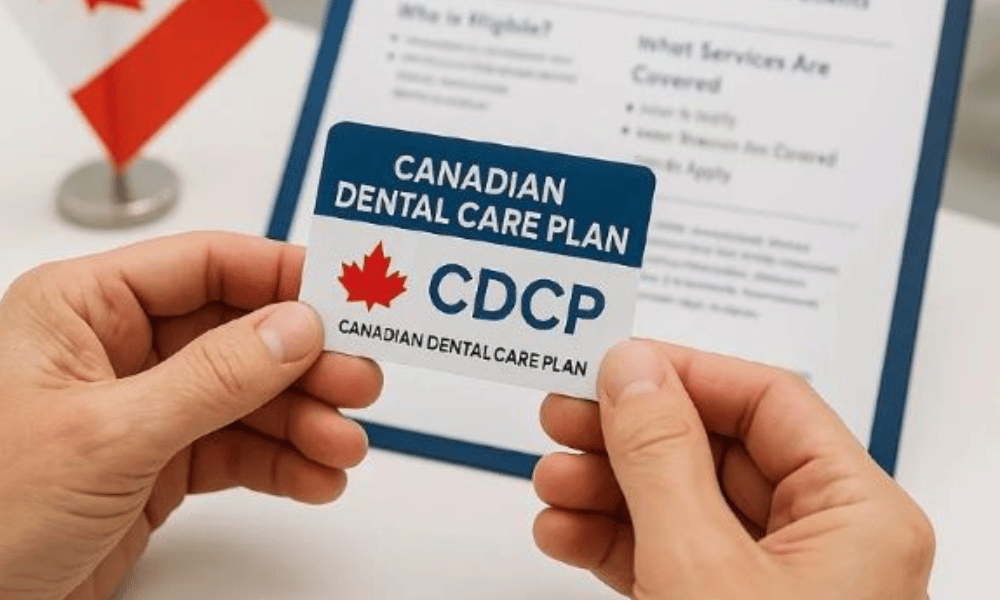
Thousands of Canadians are being turned down for dental coverage under the federal Canadian Dental Care Plan with little or no explanation, according to a CBC investigation that has drawn complaints from patients, dentists and dental administrators across the country.
The Canadian Dental Care Plan, launched in 2024 and administered by Sun Life under a government contract worth nearly $747 million over five years, provides dental coverage to uninsured Canadians with household incomes below $90,000.
As of April 2026, more than 4.3 million people have received care under the plan, generating over $6 billion in claims, according to Health Canada. The government has committed $13 billion over five years to fund the program, plus $4.4 billion in ongoing annual support.
The claims picture
When the CDCP expanded to include 18- to 64-year-olds, 49% of claims for complex dental care were denied between November 2024 and June 2025, according to Health Canada's own director general of the Oral Health Branch, with a CBC report citing a figure of 52% for pre-authorized dental work rejected over the same period. Health Canada attributed the high denial rate in part to an unexpectedly high volume of incomplete submissions, while noting that significant improvement had been seen since the pre-authorization intake began.
Sun Life has said coverage is determined through a standardized assessment process applying Health Canada's clinical eligibility criteria, and has directed media questions about CDCP management back to the government. The insurer's standard service target for reconsideration requests is 30 business days, a timeline that dental providers and patients say adds significant delays to care.
The Canadian Dental Association has described the frequency of denials as creating an "administrative burden" for dentists and delaying timely care, with its president noting that when treatment is postponed or denied, the consequences can lead to irreversible tooth loss and more complex dental issues down the line.
Design gaps and structural tensions
The claim denial problem points to a deeper structural issue -- the CDCP was designed without many of the clarity mechanisms that characterize well-functioning group dental plans.
Unlike standard employer-sponsored dental insurance, which typically sets explicit annual dollar maximums, the CDCP manages utilization through frequency limits on individual procedures rather than a defined annual cap. That structure creates confusion for patients about what they will be required to pay and leaves the system without a clear boundary to manage over-treatment, with some dental professionals raising concerns that certain providers may be exploiting the absence of an annual limit.
The program was also widely perceived from the outset as free dental care rather than a partial-payment plan, an expectation the federal government never clearly corrected, creating unrealistic patient expectations and putting pressure on dental offices to manage the gap between what patients expect and what the plan actually covers.
The de-insurance risk
The implications for Canada's group benefits market are potentially significant.
According to the report, the CDCP explicitly bars Canadians with access to private or employer-sponsored dental coverage from enrolling, but the boundary between the two systems is creating pressure in both directions.
A Canadian Dental Association survey found that approximately half of Canadian workers are concerned their employer-provided dental coverage could be dropped because of the CDCP, while a separate PolicyMe survey found that 36% of Canadians worry about losing employer-sponsored coverage due to economic pressures, with concern highest in British Columbia at 43%.
The CDA has projected that a 10% reduction in employer-sponsored dental plans could increase CDCP costs by $385 million, while a 50% reduction could push costs above $1.9 billion and expand the eligible population from nine million to 17 million people, with the federal government actively monitoring employer behavior for signs of benefit reduction.
An Ontario Dental Association survey in late 2025 found that nearly three in 10 dentists had already observed patients switching from private plans to the CDCP to a great or moderate extent, with the Canadian Life and Health Insurance Association committing to provide data to help validate and track the trend.
If employers begin treating the CDCP as a substitute for group dental coverage, the resulting shift in the insured population would increase CDCP costs, reduce the premium base for private carriers, and potentially push the program beyond its current fiscal assumptions. Health Canada has maintained the program's long-term sustainability is not at risk, but the structural incentives embedded in the CDCP's design will continue to test that position.