Researchers call for closer monitoring as smell and taste risks emerge
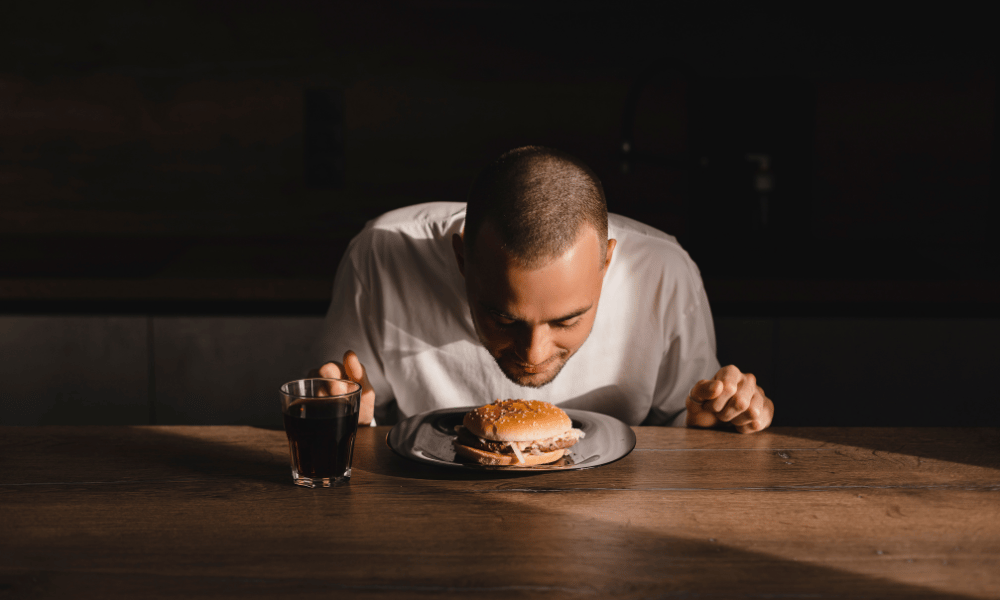
GLP-1 drugs may dull two senses most people never think to put a price on: smell and taste.
People who take GLP-1 drugs long term for type 2 diabetes face an 81 percent higher rate of smell disturbances and a 52 percent higher rate of taste disturbances than patients on other diabetes medications, Reuters reported, citing an analysis published in JAMA Otolaryngology–Head & Neck Surgery.
The actual rates remained low, at 0.37 percent in the GLP-1 group versus 0.22 percent in the control group.
How much that risk matters may depend on why a patient is taking the drug.
An editorial published with the study, Reuters reported, said the risk of adverse effects, "including sensory disturbance, may be acceptable" for patients with uncontrolled diabetes, cardiovascular disease or severe obesity.
It questioned that trade-off for "marginal weight loss or cosmetic purposes."
The same editorial called smell and taste “subtle but critical markers of systemic well-being” and named smell dysfunction one of the most reliable warning signs of neurodegenerative conditions.
Researchers at the Hebrew University of Jerusalem matched 438,474 GLP-1 users against the same number of similar patients on other diabetes drugs, using records from 2017 to 2026.
The GLP-1 group recorded 769 taste disturbances and 649 smell disturbances, compared with 445 and 316 in the control group, Healthline reported.
Because the study was observational, the researchers cautioned it cannot prove the drugs cause the impairments, as per Gizmodo.
The findings highlight “the need for closer monitoring and greater public health awareness,” coauthors Jonathan Zontag and Nir Zontag wrote, as reported by Reuters.
Healthline noted the researchers traced the possible mechanism to the olfactory bulb and chemosensory pathways, pointing out that GLP-1 is widely expressed in the nervous system.
Some clinicians see little cause for concern.
Bariatric surgeon Mir Ali, who was not involved in the study, told Healthline that few of his patients have raised the issue.
“I don’t think it should discourage people from taking these medications,” Ali said.
Earlier research points the same direction.
A 2024 study using standardized tests found GLP-1 users scored significantly lower on taste perception than matched controls, with 85 percent performing worse than their paired counterparts.