Report names the non-users reshaping dining, drinking and gifting around GLP-1 users
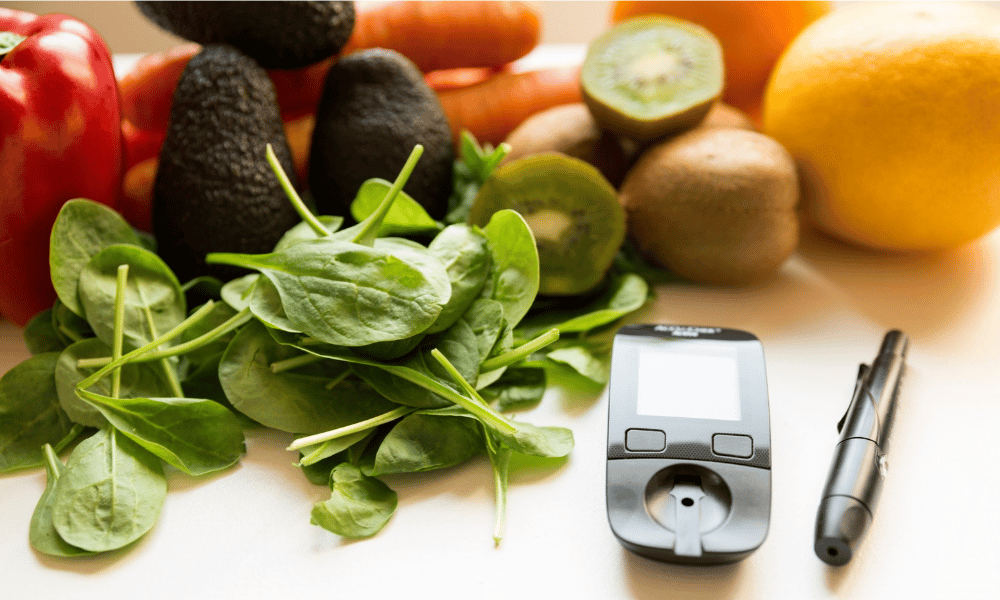
Close to one in four US consumers, 24 percent, are changing what they buy, eat, drink and do because they know someone taking a GLP-1 medication.
The Hidden GLP-1 Audience report by Escalent, which surveyed 1,349 US adults and 1,602 UK adults in August 2026, calls this group Echo Consumers, defined in the firm's research note as people who have never taken a GLP-1, personally know a current user, and report changes to their own behaviour, shared occasions, or both.
There are 1.7 times as many Echo Consumers in the US as there are GLP-1 users and 81 percent of them do not live with someone using the medication.
Melissa Bane, managing director for Europe at Escalent, said "much of the attention surrounding GLP-1 medications has focused on the people taking them, and those living in their households."
The study shows the drugs reach a wider group than that, Bane said, and retailers, food and beverage brands, and restaurants face consumers whose habits have changed without being tracked.
Among US Echo Consumers, 42 percent report exercising more, 36 percent are consuming more wellness products and 27 percent are drinking less alcohol.
In a November 19, analysis of the same research, Escalent reported that 64 percent of US Echo Consumers and 61 percent of UK Echo Consumers recorded changes to the occasions they share with someone taking a GLP-1.
Of those reporting changes to shared occasions, 39 percent in the US and 35 percent in the UK order less food when eating out with a current user, 11 percent in the US and 17 percent in the UK go out for drinks less often, and 12 percent in the US and 10 percent in the UK drink less alcohol when they are together.
One US woman aged 45 to 54 told Escalent's researchers, "In the beginning they [the GLP-1 user] complained about dining out at a fixed price restaurant (buffet) because they felt it is a waste of money with how little they can eat."
Escalent put the share choosing activities not centred on eating or drinking at 21 percent in the US and 27 percent in the UK.
The firm also pointed to UK research from Drinkaware and KAM finding that GLP-1 use can influence the drinking choices of people around the user, with some choosing to drink less or switching to alcohol-free or lower-strength options when socialising together.
Among US Echo Consumers reporting changes to social behaviours, 36 percent buy fewer snacks and treats for gatherings, 24 percent bring different food and 12 percent bring different drinks.
The UK readings for the same measures are 36 percent, 21 percent and 7 percent.
Different gifts for the GLP-1 user they know are now chosen by 18 percent of US Echo Consumers and 24 percent in the UK.
Among current users reporting changes within their household, 15 percent in the US and 14 percent in the UK said other household members are giving them different gifts than before, which Escalent noted covers two different groups of respondents.
Bane said Echo Consumers may no longer pick "a box of chocolates or a bottle of wine" as a gift, and their social occasions could centre on activities instead of eating and drinking out.
She said that marks a shift in consumer behaviour over the holiday season, and brands, retailers, and hospitality businesses will have to match the changing demand as the habits spread through social networks.
Citing National Retail Federation holiday research published in October 2026, Escalent said 27 percent of US holiday shoppers plan to give an experience as a gift, up from 19 percent five years ago.
Among Millennials in Escalent's wider adult survey, 55 percent in the UK and 52 percent in the US believe people are judged for taking GLP-1s.
One UK respondent aged 35 to 44 said, "I think I know a few people taking it, but they don't admit it openly."