Exposed girls showed 23% fewer follicles, but researchers stop short of blaming the drug
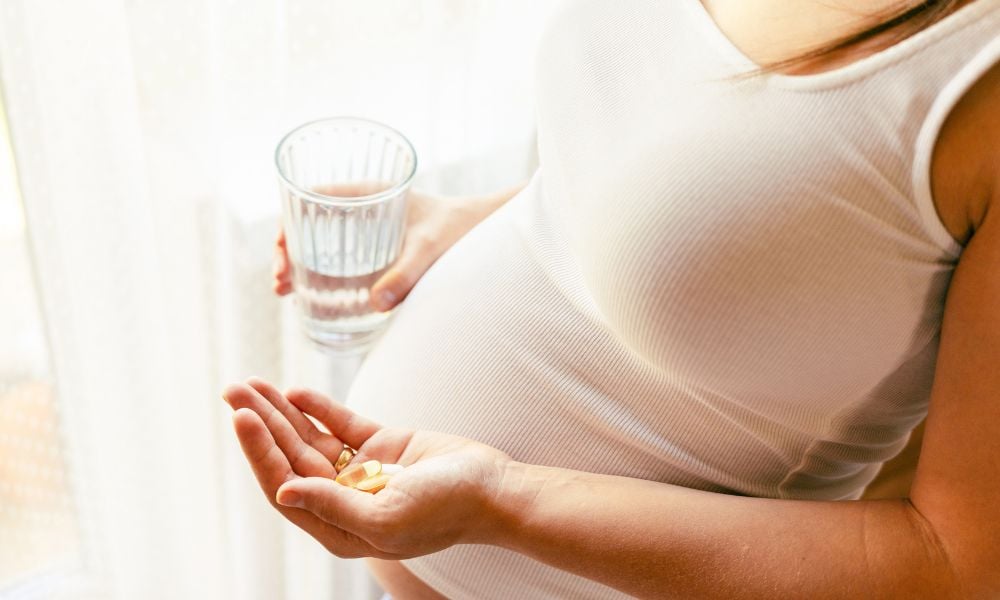
Infant girls first exposed to paracetamol before gestational week 17 had 41 percent smaller ovarian volume and 13 percent smaller uterine volume than unexposed girls when examined at about three months old.
The Copenhagen Analgesic Study, or COPANA, published in Human Reproduction Open, recorded those differences in 302 Danish girls whose mothers logged medicine use every two weeks through pregnancy and provided first-trimester urine samples.
Girls first exposed at or after week 17 had 1.05 fewer ovarian follicles, a 23 percent reduction against unexposed girls, the study reported.
Follicles are the structures holding immature eggs, and researchers counted antral follicles larger than 2 millimetres by transabdominal ultrasound.
Of the 302 girls, 92 were first exposed in early fetal life, 67 in mid to late fetal life, and 143 served as unexposed controls.
Mothers in the exposed groups reported, according to COPANA, a median total dose of 3.0 grams across pregnancy, with headache or migraine accounting for 70 percent of stated indications, musculoskeletal pain 18 percent, and fever 5 percent.
Anti-Müllerian hormone, or AMH, a marker of ovarian reserve, was 0.45 standard deviations lower in the 22 girls exposed exclusively in early fetal life.
Paracetamol was measurable in every maternal urine sample tested, at a median concentration of 64.5 nanograms per millilitre.
The study also examined an independent cohort of 1,210 girls followed from infancy to adolescence, where prenatal exposure to paracetamol or non-steroidal anti-inflammatory drugs was associated with 4.11 cubic centimetres smaller uterine volume at puberty and 2.76 cubic centimetres smaller ovarian volume in adolescence.
Exposure in that cohort rested on a single questionnaire early in the third trimester and is likely under-reported, the authors wrote.
The authors listed several limitations, including an observational design that cannot establish causation, residual confounding by indication that cannot be fully excluded, a large number of analyses that leaves open the possibility of type I error, and a study population that was predominantly Caucasian and term-born.
Kenvue, the US-listed owner of the Tylenol brand, told Reuters in an emailed statement that pregnant or breastfeeding women should check with a health professional before using acetaminophen, which the company describes as the most studied and safest pain reliever during pregnancy.
The company said the research carries methodology limitations and does not support a causal relationship between the drug and postnatal reproductive development, per Reuters, which reported Kenvue shares fell more than 3 percent.
The American College of Obstetricians and Gynecologists, a US body, said in a statement carried by CNN that the findings "do not indicate that current clinical recommendations should change."
The same statement described the clinical significance of the findings as uncertain or unknown, CNN reported.
"When you hunt really hard for a pattern, you inevitably find one," said Gavin Stewart, a senior lecturer in evidence synthesis at Newcastle University, in comments to the Science Media Centre reported by CNN.
Stewart, who did not work on the study, said he was concerned the exploratory research would be misinterpreted, CNN reported.
Hugh Taylor, an obstetrics and gynecology specialist at Yale School of Medicine in the US, told CNN that "Tylenol is the safest drug we have when it's needed."
Taylor, who was not involved in the research, questioned whether fever or infection behind the drug's use could explain the findings.
Study leader Margit Bistrup Fischer of Rigshospitalet in Copenhagen said women who used the medicine in pregnancy should not be alarmed, according to Reuters.
Fischer told CNN the results are "definitely something we need as a society to talk about" and that pregnant women should not stop taking the drug if they need it.
Christian De Geyter of the University of Basel argued in an accompanying commentary that recommendations on paracetamol use during pregnancy should be reconsidered and that follow-up of exposed girls should extend into menopause, according to Reuters.
Exposure levels in the study fell within current guideline recommendations for minimal dosage and duration, which the authors said raises concern that existing guidance may not be sufficient.