Lack of sleep worsens focus for 63%, and nearly half feel the drag after a single night
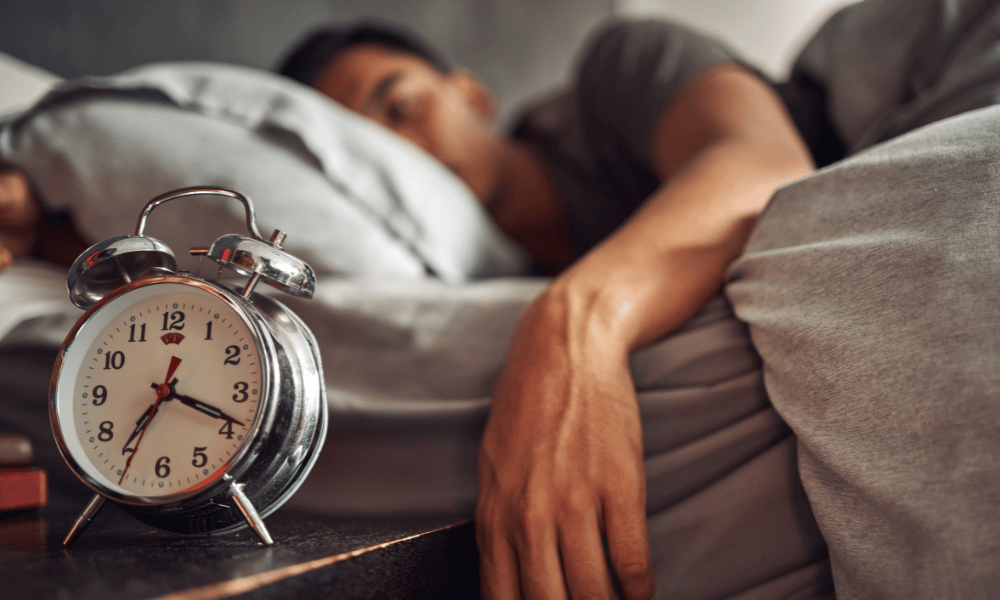
Seven out of 10 Canadians get less done when they have not had a good night’s sleep.
The finding comes from a national survey released by Sleep Country, which also found that 63 percent of respondents say a lack of sleep worsens their ability to focus.
Forty-six percent of respondents who ever feel a lack of sleep say they notice the effects after a single night of poor sleep.
Sleep Country described sleep debt as the accumulated gap between the sleep bodies need and the sleep people actually get.
Sixty-three percent of respondents say they are more likely than usual to skip a gym session, workout or exercise they had planned because they were tired.
Two-thirds of respondents who experience insufficient sleep say they are more likely to buy an extra coffee, tea, or energy drink when tired.
Sixty percent of respondents who experience insufficient sleep say the shortfall makes them more likely to order takeout rather than cook or prepare their own meal.
That figure rises to 79 percent among respondents under 35 who experience insufficient sleep.
Among respondents under 35 who ever feel a lack of sleep, 63 percent say they are more likely to make impulse purchases when tired, and almost 30 percent say they may buy something they will later regret.
Sleep expert Amanda Jewson said in the Sleep Country release that sleep debt builds over time and can show up as “I’m just off lately.”
She said ordering in more, re-reading emails and snapping at people can be signs that insufficient sleep is affecting daily life.
The clocks going back are often blamed for fall fatigue though its research suggests the challenge extends beyond the one-hour shift.
More than half of Canadians, 52 percent, say they need more sleep in the fall and winter.
Jewson recommends keeping a consistent wake time, aiming to wake at the same time every day, including weekends, and getting outside within an hour of waking, even on overcast days.
Light signals to the body that it is daytime and helps reset the internal clock, she said.
As the days shorten, Jewson recommends shifting bedtime earlier rather than later in the earlier days of seasonal change, saying the extra sleep may help people adjust better.
For anyone shopping late at night and feeling tired, she advises leaving the items in the cart and revisiting them the next day.
“An extra coffee or a takeout order might not be something we connect to how we slept the night before. These findings give Canadians a reason to take a closer look at that connection and their own sleep habits,” said Derek Kikot, regional sales manager at Sleep Country Canada, in the release.