Top Financial Executives and Professionals in the Benefits, Pensions, and Institutional Investment Industries
Jump to winners | Jump to methodology | View PDF
Impact over title
Meet this year’s 30 honourees and see why recognition has moved from the C-suite toward the advisors and specialists closest to the work
BPM Hot List 2026
Executive summary & key insights
- Shift toward specialists
- This year’s 30 winners aren’t the usual C-suite names; they’re the advisors, partners, and specialists closest to the work.
- Collaboration drives outcomes
-
“The Canadian benefits and pensions industry is collaborative. Leaders who don’t try to do things on their own, who work with peer organizations and industry associations, are the ones who deliver superior outcomes”
- The human element
-
“The best leaders are a resource, not a roadblock. This industry is evolving fast right now, government downloading, new drugs in the marketplace, cost pressures, AI creeping in, changing societal factors, and team members need someone they can go to for answers”
- Rigorous selection criteria
- BPM’s editorial team analyzed hundreds of nominations requiring at least 10 years in the industry, narrowing the group down to the 30 people doing the most to shape the space.
- Data trends
- C-suite representation has fallen to 23% (the lowest share since the list began), while advisors, partners, and specialists now hold 27% (the highest share yet).
The pace of change in Canada’s benefits, pensions, and institutional investment industry in 2026 is forcing leaders to adapt faster than ever – and Benefits and Pensions Monitor’s fourth annual Hot List names the top financial executives and professionals doing it best.
This year’s 30 winners aren’t the usual C-suite names; they’re the advisors, partners, and specialists closest to the work. This select group is connected by a shared instinct that manifests in different ways depending on their role and industry niche, but all are handling the pressure and using it to execute wise strategic moves.
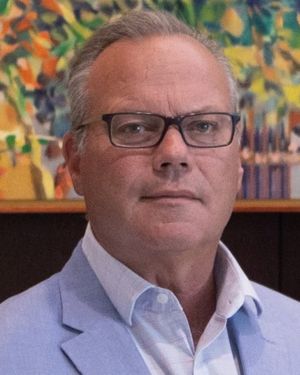
“The hardest part is you lie in bed worrying about someone’s career, and they’re sleeping like a baby,” says J. David Tompkins, vice president of sales at Manitoba Blue Cross in Winnipeg, and an industry veteran of almost 40 years who shares his perspective as an expert. It’s a strange, mostly invisible weight, and it’s the kind of thing this year’s winners carry every day.
The winners show exactly where that needle is moving, and not in just one corner of the industry.
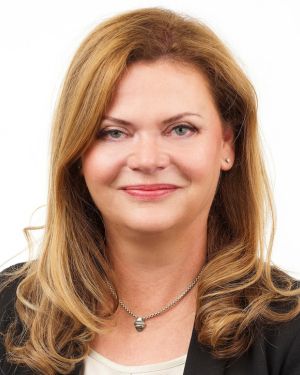
“The Canadian benefits and pensions industry is collaborative. Leaders who don’t try to do things on their own, who work with peer organizations and industry associations, are the ones who deliver superior outcomes,” says Korinne Collins, CEO of the Association of Canadian Pension Management (ACPM) in Toronto.
While Tompkins comments, “The best leaders are a resource, not a roadblock. This industry is evolving fast right now, government downloading, new drugs in the marketplace, cost pressures, AI creeping in, changing societal factors, and team members need someone they can go to for answers, or at least someone who knows where to find them. Knowledge alone isn’t enough, though. Compassion matters just as much, understanding the pressures your people are under.”
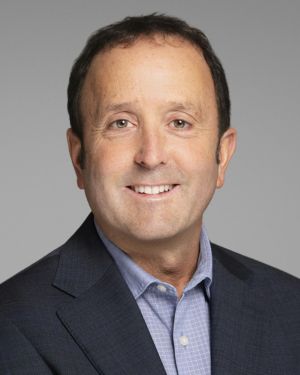
Ivan Sheehan, principal consultant and head of health strategies at Ontario Teachers Insurance Plan (OTIP) in Waterloo, Ontario, adds, “Today's strongest leaders are disciplined, curious, and willing to question how things have traditionally been done.”
BPM’s editorial team analyzed hundreds of nominations searching for proof of what someone built or fixed in the past year. Nominees needed at least 10 years in the industry to qualify, and the editorial team narrowed that group down to the 30 people doing the most to shape the benefits, pensions, and institutional investment space.
The data show C-suite representation has fallen to 23 percent, the lowest share since the list began, while advisors, partners, and specialists now hold 27 percent, the highest share yet. This report explains why and reveals what it means to be a difference maker today.
4 key findings
What this year’s 30 winners, and four years of Hot List data, reveal
Recognition is moving from the C-suite to the people closest to the work
One shared instinct, four different proofs
Innovation
Chris Gory
Gave away AI and CRM training to advisors nationwide, unpaid.
Culture & growth
Meghan Vallis
Record sales and zero team churn since 2023.
Partnership
Sunil Hirjee
Gave plan sponsors a direct line to Beneva’s leadership.
Institutional capital
Kin Chin
Closed a multi-billion-dollar mandate on capability, not one product.
None of the winners work in a vacuum. Behind the cost pressure and demand for personalization driving this year’s recognitions sits a fast-moving set of market forces across pensions, benefits, and institutional investment.
Why are Canadian DB pensions well funded but slow to de-risk in 2026?
The median solvency ratio across Canadian defined benefit (DB) plans – the ratio of a plan’s assets to what it owes members – reached 128 percent as of June 30, 2026, with 89 percent of plans fully solvent and 65 percent at or above a 120 percent solvency ratio, according to Mercer’s Pension Health Pulse, as Wealth Professional’s Q2 2026 pension solvency coverage shows. On paper, Canadian DB plans are in the best shape they’ve been in years.
Yet the pension risk transfer market, where sponsors offload that liability to insurers, isn’t matching that momentum. Sun Life expects total pension risk transfer volume in 2026 to land broadly in line with 2025’s $6.8 billion, well below 2024’s record $11 billion, BPM’s own coverage shows.
Full funding, slower de-risking
Canadian DB pension solvency vs. pension risk transfer market volume
Canadian DB plans have never been this well funded, yet pension risk transfer volume remains far below 2024’s record $11 billion.
Pension risk transfer volume by year
2026 figure is Sun Life’s own projection, expected to land broadly in line with 2025.
| Metric | Value | Source |
|---|---|---|
| Median Canadian DB pension solvency ratio, June 30, 2026 | 128 per cent | Mercer, Pension Health Pulse |
| Canadian DB plans that are fully solvent | 89 per cent | Mercer, Pension Health Pulse |
| Canadian DB plans with a solvency ratio of 120 per cent or higher | 65 per cent | Mercer, Pension Health Pulse |
| Pension risk transfer market volume, 2024 | $11.0 billion CAD | Sun Life |
| Pension risk transfer market volume, 2025 | $6.8 billion CAD | Sun Life |
| Pension risk transfer market volume, 2026 (projected) | Approximately $6.8 billion CAD | Sun Life |
That gap is a live decision for plan sponsors. A funded surplus this large won’t hold indefinitely, and every quarter spent waiting is a quarter of interest rate and market risk sponsors are choosing to keep rather than transfer.
Advisors and consultants who can move a de-risking transaction quickly are capturing the business this year, running more frequent asset-liability studies and pricing competitive annuity deals as what used to be an occasional review turns into an ongoing governance exercise.
Which leaders have moved a pension plan from surplus to secured, translating a funding cushion into a completed de-risking transaction rather than a missed window? The profiles ahead answer that directly.
Why are mental health costs rising for Canadian employers in 2026?
Canadian group health costs are projected to rise 8.3 percent in 2026, up from 7.4 percent in 2025 and running 6.2 points above general inflation, according to Aon’s 2026 Global Medical Trend Rates Report, as reported by Benefits and Pensions Monitor.
TELUS Health’s 2026 Drug Data Trends & National Benchmarks Report shows specialty biologics and high-cost therapies are compounding that pressure. Specialty drugs now account for 33.9 percent of total eligible drug spend despite just 2.1 percent of claimants using them, and ultra-high-cost therapies alone make up 5.2 percent of spend.
Mental health claims are driving a meaningful share of the broader increase: 73 percent of employers saw a rise in mental health claims in 2025, says Denis Guay, president of global benefits at HUB International in Greater Hartford, and mental health now accounts for 40 percent of new long-term disability claims, per Alberta Blue Cross’s Benefits Pulse Report.
Nationally, poor mental health costs the Canadian economy an estimated $180 billion a year, with employers absorbing roughly $110 billion of that directly, yet only about 14 percent of employer mental health spending goes toward prevention rather than crisis response, according to CSA Group.
“Member needs are becoming more complex, particularly in areas such as diabetes management, women's health, mental health, and conditions impacted by the changing climate like asthma,” says Sheehan. Utilization of preventive and acute care keeps climbing, he adds, alongside growing demand for catastrophic care, particularly specialty drugs.
The line item plan sponsors can’t ignore
Rising benefits costs, and mental health’s outsized share of the burden
Poor mental health costs the Canadian economy an estimated $180 billion a year, and employers absorb the majority of it, yet only 14% of that spend goes toward prevention.
How employer mental health spending breaks down
| Metric | Value | Source |
|---|---|---|
| Annual cost of poor mental health borne directly by Canadian employers | $110 billion CAD per year | CSA Group, "The Economic Cost of Mental Health in Canada" |
| Total annual economic cost of poor mental health in Canada | $180 billion CAD | CSA Group, "The Economic Cost of Mental Health in Canada" |
| Share of employer mental health spending directed to prevention | 14% | CSA Group, "The Economic Cost of Mental Health in Canada" |
| Share of employer mental health spending that is reactive (claims, accommodations) | 86 per cent | CSA Group, "The Economic Cost of Mental Health in Canada" |
| Projected 2026 Canadian medical trend rate | 8.3 per cent, up from 7.4% | Aon, 2026 Global Medical Trend Rates Report |
| Employers who saw mental health claims rise in 2025 | 73 per cent | HUB International, via Denis Guay |
| New long-term disability claims that are mental-health related | 40 per cent | Alberta Blue Cross, Benefits Pulse Report |
That combination puts plan sponsors in a specific bind. Costs are rising broadly, but the one category accelerating hardest, mental health, has the least established plan design playbook.
Sponsors are re-underwriting drug and mental health coverage mid-cycle, often accepting double-digit increases in specific benefit lines rather than across the whole plan, while advisors build utilization dashboards across virtual therapy, psychiatry, and specialty pharmacy, folding what used to be siloed vendors into a single coverage strategy.
“Simply spending less is not necessarily a successful outcome,” Sheehan says. “Recognition should go to leaders who move beyond short-term cost containment and introduce evidence-informed solutions that respond to genuine plan and member needs.”
Who has built a mental-health or specialty-drug strategy that improves access without blowing up the budget? Chris Gory’s and Meghan Vallis’s profiles are two answers.
How are Canadian pension funds allocating to private markets in 2026?
Ninety-four percent of asset owners globally now invest in private markets, up from 86 percent a year earlier. In Canada, adoption is already at 100 percent, with every single respondent to Northern Trust’s Asset Owners in Focus 2026 study holding private market assets, BPM’s coverage of the shift toward private assets shows.
Private investments now account for 25–30 percent of assets under management at major Canadian pension funds. CPP Investments, the country’s largest pension fund, closed more than 50 transactions of $250 million or more in the year ended March 31, 2026, including roughly 20 valued above $1 billion. By June 30, 2026, the fund had grown to $863.6 billion in net assets, its strongest quarterly performance in more than a decade.
Private markets, from a bet to the baseline
How Canadian institutional investors now allocate to private assets
Globally, adoption has climbed to 94% of asset owners, up from 86% a year earlier, according to Northern Trust’s 2026 Asset Owner Study. In Canada, it’s already universal.
| Metric | Value | Source |
|---|---|---|
| Canadian asset owners holding private market assets | 100 per cent | Northern Trust, 2026 Asset Owner Study |
| Global asset owners holding private market assets, 2026 | 94 per cent | Northern Trust, 2026 Asset Owner Study |
| Global asset owners holding private market assets, prior year | 86 per cent | Northern Trust, 2026 Asset Owner Study |
| CPP Investments net assets as of June 30, 2026 | $863.6 billion CAD | CPP Investments fiscal 2026 and Q1 fiscal 2027 results |
| CPP Investments deals over $1 billion closed in fiscal 2026 | Approximately 20 | CPP Investments fiscal 2026 and Q1 fiscal 2027 results |
| Private markets share of AUM, major Canadian pension funds, typical range | 25 to 30 per cent | Crisil Coalition Greenwich, Canadian Institutional Investors Study |
A research paper from the Office of the Auditor General of Canada argues that some pension governance experts see climate-related financial risk falling under a fiduciary’s existing duty to act prudently.
The workflow consequence for pension boards is real. Boards are allocating more of their governance budget to manager due diligence and valuation oversight, capital that used to go toward simpler public-market rebalancing.
Asset managers, meanwhile, run asset-liability studies and stress tests more frequently, converting an annual review into a near-continuous governance cycle to satisfy regulators and trustees.
How is a multigenerational workforce reshaping benefits design?
“There are now five generations that coexist in the Canadian workforce,” says 2026 Hot Lister Sunil Hirjee, vice president of group sales and partner experience for Ontario, Western, and Atlantic Canada at Beneva. From pre-boomers still drawing retiree benefits to Gen Z employees navigating their first group plan, the old model, one plan, one set of assumptions, is breaking down.
That pressure is structural, not anecdotal. “With the changing demographics of members and the addition of new retirement income options for plan sponsors, technical expertise is in high demand,” says Collins.
Sponsors are stretching a fixed benefits budget across more product lines at once, enhanced DC auto-escalation for younger employees, retiree medical for older cohorts, often forcing explicit trade-off decisions at the board level.
Advisors, meanwhile, are segmenting plan communications and analytics by age and tenure instead of running one blanket enrollment campaign and increasingly building hybrid retirement architectures that serve multiple generations without multiplying administrative complexity.
Who makes up the 2026 BPM Hot List, and where are they concentrated?
Benefits and pensions professionals are being asked to do two things at once: hold the line on cost as premiums and plan expenses climb, and deliver more personalized, higher-touch service than ever. The 2026 Hot List data show where the industry currently concentrates the people doing both.
-
53 percent of 2026 winners are based in Ontario, more than Quebec and British Columbia combined.
-
53 percent have spent 21–30 years in the industry, the list’s largest single tenure band.
-
37 percent work for plan sponsors, the single largest sector represented.
-
Gender is the one exception to the pattern, a 60/40 split between men and women, the tightest margin of any category measured.
A concentrated list – with one exception
More than half of this year’s Hot List shares a province and a career stage. Gender is the one dimension where it doesn’t.
Together, these numbers paint a specific profile: the typical 2026 winner is Ontario-based and mid-to-late career, not spread evenly across regions or career stages.
Full 2026 breakdown – sector, region, and tenure
Sector
Region
Tenure
| Category | Segment | Share of winners |
|---|---|---|
| Region | Ontario | 53 per cent |
| Region | Quebec | 20 per cent |
| Region | British Columbia | 17 per cent |
| Region | Other | 10 per cent |
| Tenure | 21–30 years in the industry | 53 per cent |
| Tenure | 10–20 years in the industry | 37 per cent |
| Tenure | 31–40 years in the industry | 10 per cent |
| Sector | Plan sponsors | 37 per cent |
| Sector | Group benefit | 23 per cent |
| Sector | Service providers | 20 per cent |
| Sector | Asset managers | 10 per cent |
| Sector | Consultants | 10 per cent |
| Gender | Male | 60 per cent |
| Gender | Female | 40 per cent |
| Total winners | 2026 BPM Hot List | 30 |
How has BPM Hot List recognition changed?
BPM’s own four-year Hot List data, tracked since the award’s launch in 2023, is this report’s most defensible original-data asset, and it shows a genuine shift in who gets recognized and why.
-
C-suite representation has fallen to a four-year low of 23 percent, down from a peak of 36 percent in 2024.
-
Partner and specialist titles, among them advisors, principals, and practice leaders, have climbed to a four-year high of 27 percent, the highest share since the list began.
-
Separately, winners with 10–20 years’ experience have grown every single year, from 20 percent in 2023 to 37 percent in 2026, spread across every title band rather than concentrated in one.
-
The winner pool itself has narrowed, from 45 honourees in 2023 to 30 in 2026.
Recognition is moving away from executive title and toward the advisors, partners, and specialists doing the hands-on work of controlling cost and building personalized plans.
As affordability pressure intensifies, the data suggests the industry is rewarding the people closest to that work, not the executives furthest from it, a pattern this report returns to when it looks at where the pressure goes next.
Recognition is moving away from the C-suite
Two separate four-year trends: the seniority of winners’ titles, and how long they’ve been in the industry
Title mix
Fewer executives, more senior specialists and partners
| 2023 | 2024 | 2025 | 2026 | |
|---|---|---|---|---|
| C-suite/president | 29% | 36% | 35% | 23% |
| VP/director | 53% | 41% | 48% | 50% |
| Partner/specialist* | 18% | 23% | 16% | 27% |
Tenure
A separate trend: winners with 10–20 years’ experience, by year
Winners with 10–20 years’ experience have grown from 20% of the list in 2023 to 37% in 2026. These winners are spread across C-suite, VP/director and partner/specialist titles alike, not concentrated in any one title band above – a genuinely independent trend from the title-mix shift.
| Category | Segment | Year | Value |
|---|---|---|---|
| Title mix | C-suite/president | 2023 | 29 per cent |
| Title mix | C-suite/president | 2024 | 36 per cent |
| Title mix | C-suite/president | 2025 | 35 per cent |
| Title mix | C-suite/president | 2026 | 23 per cent |
| Title mix | VP/director | 2023 | 53 per cent |
| Title mix | VP/director | 2024 | 41 per cent |
| Title mix | VP/director | 2025 | 48 per cent |
| Title mix | VP/director | 2026 | 50 per cent |
| Title mix | Partner/specialist (Head, Partner, Manager, and Lead titles) | 2023 | 18 per cent |
| Title mix | Partner/specialist (Head, Partner, Manager, and Lead titles) | 2024 | 23 per cent |
| Title mix | Partner/specialist (Head, Partner, Manager, and Lead titles) | 2025 | 16 per cent |
| Title mix | Partner/specialist (Head, Partner, Manager, and Lead titles) | 2026 | 27 per cent |
| Tenure | Winners with 10 to 20 years’ industry experience | 2023 | 20 per cent |
| Tenure | Winners with 10 to 20 years’ industry experience | 2024 | 29 per cent |
| Tenure | Winners with 10 to 20 years’ industry experience | 2025 | 35 per cent |
| Tenure | Winners with 10 to 20 years’ industry experience | 2026 | 37 per cent |
| Cohort size | Total Hot List winners | 2023 | 45 |
| Cohort size | Total Hot List winners | 2026 | 30 |
| Gender | Female representation | 2023 | 33 per cent |
| Gender | Female representation | 2025 | 61 per cent |
| Gender | Female representation | 2026 | 40 per cent |
Employee Benefits Advisor · Ontario
Chris Gory
Orchard Benefits
Core motivation: giving away the automation his own corner of the industry never had
What makes Chris stand out
Scaled solo
125 groups and $12.2 million in premium, run by a one-person firm built on automation.
Free knowledge sharing
Unpaid CGIB and Benefits Alliance sessions on AI and CRM adoption reached advisors across the country this year.
DIY builder
Taught himself to build his own automations, cutting setup costs from a custom build to about $200 a month.
| Metric | Value |
|---|---|
| advisors reached through unpaid AI and CRM training, past three years | 1,000+ |
| Groups served by his one-person firm | 125 |
| Annual premium managed | $12.2 million |
| Monthly cost of his self-built automation setup | Approximately $200 |
Chris Gory
Core motivation: giving away the automation his own corner of the industry never had
At a glance
-
Role: Employee Benefits Advisor, Orchard Benefits
-
Location: Ontario
-
Category: Group Benefits/Insurance
-
Signature move: automated renewal-document and claims-report processing with AI, cutting a 20- to 30-minute task down to about two minutes, then taught the process to advisors nationwide for free
Chris Gory has a joke about his corner of the insurance industry. Employee benefits, he says, is the redheaded stepchild of the business, a line he’s entitled to use, he points out, because his own daughter is a redhead.
Underneath the punchline is a real grievance. While property and casualty, and life insurance built out serious technology infrastructure over the decades, employee benefits never got the same investment.
“We haven’t had that voice pushing for someone who’s setting standards for data interchange, for anything,” he says. So, for the past three years, he estimates he’s spoken with a thousand advisors, unpaid, trying to close that gap himself.


Chris GoryOrchard Benefits
The scale Gory has built at his own one-person firm makes his case for him: 125 groups and $12.2 million in premium. “I couldn’t grow to the size that my firm has if I hadn’t automated these things,” he says.
What he automated is concrete. Drop a completed renewal document into a folder, and AI extracts the employee counts, premiums, and expiry dates and updates his CRM automatically, a task that used to take 20–30 minutes and now takes about two.
A second build turns claims experience reports into a branded, six-page PDF with executive notes and a product checklist in three minutes flat. The cost of running that kind of automation has fallen fast too. He now pays $200 a month for the subscription doing that work, replacing a custom build that once cost him considerably more to set up.
Gory’s pitch to advisors intimidated by all of it is simple. “Find one pain point and start with a simple turnkey solution you don’t have to customize yourself,” he says. “Then once you get better at that, find your next pain point.”
He’s not shy about pointing out that he’s not an early adopter by age or background. “I’ve been in insurance since ‘95,” he says. “I’m not a spring chicken. If I can do it, everyone else can do it.”
That advice has already reached hundreds of advisors through Benefits Alliance and Canadian Group Insurance Brokers (CGIB) events across the country this year. It builds on a benchmarking platform Gory developed for Benefits Alliance and later handed over to the association outright.
It has also earned him recognition far past this year’s Hot List, including Benefits Alliance’s President’s Award and a spot on BPM’s own Top Advisors list in 2026.
Looking ahead, Gory expects automation to move further into the back office. Document preparation and basic renewal negotiations are next, the same administrative work that currently eats up an advisor’s day.
“Larger firms won’t have to hire as many people,” he says. “Smaller firms can free up their time to go help clients.” Either way, he plans to keep giving the process away for free. The redheaded stepchild, by his own account, is finally catching up.
Q&A with Chris Gory
Q: What’s the actual problem you’re trying to solve by giving away AI and CRM training to advisors for free, rather than charging for it?
A: Just trying to free up everyone’s time from doing these little minutiae tasks when they could be out helping clients, finding new clients, giving back to the community. If I hadn’t automated so much myself, I couldn’t be talking to other people about all the different things they can do.
Q: What pushback or skepticism do you still hear from advisors about AI in benefits, and how do you answer it?
A: They all think it’s this big thing, that they’ve got this big practice and don’t know where to start. I always tell them to find one pain point and start with a simple turnkey solution. When I was speaking to CGIB in Calgary and Vancouver, I talked a lot about AI voice dictation, just holding a key on the keyboard to dictate an activity, an email, a document, and choosing the tone you want. Don’t feel overwhelmed. Find something simple to implement now, then move to the next pain point.
Q: Where does this go next? What does “AI-adopted” look like for a typical benefits advisory firm in two years?
A: We’re going to see more and more automated. Document preparation, basic renewal negotiations, all the back-office tasks are going to move to AI over the next two years. And you don’t need to know how to code to make it happen, you just have to act like a project manager, think through the pain point, and tell the tool very specifically what you want it to do.
Group Sales Vice President · British Columbia
Meghan Vallis
Equitable
Core motivation: elevating the group benefits industry for everyone in it
What makes Meghan stand out
Zero-churn team
Rebuilt a team through years of heavy turnover into zero churn since 2023, with a 92% engagement score
myFlex, relaunched
Helped bring Equitable's small-business flex product back to its roots, in a market it has always served, while full flex plans remain reserved for larger employers
Paying it forward
Revived and rebranded the Women in Benefits Networking Group after the pandemic, connecting women across the industry
| Metric | Value |
|---|---|
| Sales increase in a single year | 86.6 per cent |
| Team engagement score | 92 per cent |
| Team churn since 2023 | Zero |
Meghan Vallis
Core motivation: elevating the group benefits industry for everyone
At a glance
-
Role: Group Sales Vice President, Western Canada, Equitable
-
Location: British Columbia
-
Category: Group Benefits/Insurance
-
Signature move: relaunched Equitable’s myFlex Benefits product around small business, delivering the highest sales in company history in the same year
Meghan Vallis joined Equitable in May 2020, near the peak of the pandemic’s first wave, to lead a team worn down by years of heavy turnover. It was almost two years before she met her own boss, her peers, and much of her team in person.
“I’m quite approachable and open,” she says. “I love getting up in their business as much as I can, in a good way, because I love joining them to see our advisor partners together.”
She saw quickly that success at a midsize insurer meant something different than the brand-name sales job a newer hire might expect. “When I started in the industry as an account executive at a Big 3, sales would literally just come in off the fax machine,” she says.
Equitable is nimble, flat, and client-first, but it doesn’t carry that same brand weight. “You’re kind of selling yourself twice,” she says. So, she changed how she hired, looking for people who wanted that more relational sale.
The results followed. Zero churn since 2023, a team engagement score of 92 percent with full participation, a No. 1 ranking from NMG Consulting for relationship management and, in the same stretch, 20.5 percent block growth and an 86.6 percent jump in sales, the highest in Equitable’s history.

Meghan Vallis Equitable
That same instinct for rebuilding around what works shaped Vallis’s relaunch of myFlex Benefits, Equitable’s flexible benefits product. “We really decided that we would get back to the roots of the product, which was packaged flex for small business,” she says.
The plan design had historically been reserved for large employers with 100–300+ staff. Bringing it to businesses under 50 filled a gap for smaller companies wanting to offer the same personalized choice.
The proof, she says, is that existing clients are choosing to move to the new design even though they don’t have to. It reflects a demand she sees everywhere now. “Everyone’s needs are changing, but I think today that personalization comes up more and more and more in our conversations with employees and employers,” she says.
Vallis was a newcomer to Vancouver when she attended the first meeting of what would become the Women in Benefits Networking Group in 2015, founded by three women in the industry. “It was so welcoming to be invited in to join all of these women and just get to know each other,” she says.
When the pandemic scattered that connection, she stepped in to revive it, renaming it from its original title, the Original Girls Industry Club, to the Women in Benefits Networking Group.
Her reason for staying involved is simple. “How can we elevate the benefit industry so we’re all better?” The group, she says, stays deliberately unpolished. “No one’s trying to sell each other things. It’s just, ‘who are you, who am I, what are we up to.’”
Q&A with Meghan Vallis
Q: You took over a team with years of heavy turnover in 2020 and have had zero churn since 2023. What actually changed?
A: A lot changed, but a lot of it came down to who I hired. Everything at Equitable is client-centred, client-focused, client-first, we’re mutual and equitable, so I looked for people who genuinely wanted that kind of relational sale rather than a big, well-known brand doing the selling for them. I’d like to think I keep my team around because of the way I’m leading them.
Q: What was the hardest part of relaunching MyFlex Benefits, and what told you it had worked?
A: MyFlex is such a unique product, there’s still nothing else like it in the market. The hard part was that we’d been experimenting with it in a lot of directions, and a project like that can get pulled apart by scope creep if you let it. We controlled it by focusing hard on what we were building and for who. Once we locked that in, updating and launching it was straightforward. What told me it worked was the marketplace feedback, strong sales, and clients on our existing block choosing to move to the new plan design when they didn’t have to.
Q: What’s it given you back, being involved with the Women in Benefits Networking Group over the years?
A: It’s one of those things where insurance needs more women in it, and this group is just about connecting with each other, no agenda, nobody selling anything. We’ll have someone from an executive team in the room with someone brand new to the industry, and everyone’s just there to get to know each other. As a leader, I feel privileged to be able to lift people up through my position, and a group like this lets everyone do that for each other.
Q: What’s the one thing you want Equitable’s western business to be known for a year from now?
A: It’s pretty simple for me. At Equitable, and in the West specifically since that’s the team I run, we’re the best group benefit option out there, and we have the best team in the industry to deliver on that promise.
Vice President, Sales and Partner Experience · Ontario, Western and Atlantic Canada
Sunil Hirjee
Beneva
Core motivation: making the invisible partnership visible
What makes Sunil stand out
Direct access
Brought plan sponsors and brokers face-to-face with Beneva's leadership at a two-day head-office event, replacing filtered feedback with direct input
Reactive to proactive
Spent his mandate at Beneva shifting partner service from answering questions to anticipating them before partners have to ask
A personal stake
Grew up in a newly immigrated family without private insurance coverage, an experience that shapes his belief that group insurance can genuinely change lives
| Metric | Value |
|---|---|
| Years in financial services | 25+ |
Sunil Hirjee
Core motivation: making the invisible partnership visible
At a glance
-
Role: Vice President, Sales and Partner Experience, Beneva
-
Location: Ontario, Western, and Atlantic Canada
-
Category: Group Benefits/Insurance
-
Signature move: brought plan sponsors and brokers face-to-face with Beneva’s leadership at a two-day head-office event, replacing filtered feedback with direct input
Sunil Hirjee’s conviction about what group insurance does traces back to his childhood. His family was newer to Canada and had no access to private coverage when a chronic condition affected the household.
“I experienced, even at a young age, what that can do to a home, in terms of the time it takes to manage a situation like that, and the expense burden,” he says. He didn’t fully appreciate what he was witnessing at the time, he says, but looking back now, he sees it clearly.
That history is why Hirjee, vice president of sales and partner experience for Ontario, Western, and Atlantic Canada at Beneva, resists treating his work as routine administration.

Sunil Hirjee Beneva
Beneva already tracks partner sentiment through relationship-based Net Promoter Score surveys. This year, Hirjee pushed that listening discipline further with a two-day event at Beneva’s Quebec head office, bringing plan sponsors, brokers, and consulting partners face to face with the leaders shaping the insurer’s strategy.
Partners got direct access to the people shaping Beneva’s direction, and Beneva’s own leaders heard the feedback firsthand rather than filtered through several layers on the way up. “That telephone game sometimes can convolute a message,” he says.
It’s one piece of a broader discipline at Beneva, where every leader is mandated to personally call members who have just had a significant experience with the company. “We’ve seen turnarounds. We’ve seen very big partnerships start to take formation,” Hirjee says of the event’s impact, growth he ties to the wider expansion of the regions he oversees.
That same instinct underpins a broader change Hirjee has pushed throughout his mandate, which is moving partner service from reactive to proactive, showing partners what’s evolving before they have to ask.
Looking ahead, Hirjee sees plan sponsors navigating a tougher balancing act. A workforce spanning more generations than ever brings a wider range of expectations to a benefits plan, each generation with its own way of communicating and engaging with coverage, while member budgets stay finite rather than expanding to match.
He points to Beneva’s own numbers as proof it’s not just a feeling. Requests for full flex programs are clearly increasing, and so is adoption of spending accounts built for added flexibility.
Underneath that complexity, Hirjee says the bigger priority has become something simpler. “Fundamentally, just be easy to work with,” he says, pointing to accuracy in claims adjudication and timely, thorough responses to members, administrators, and consultants alike.
He connects it to expectations set well outside the insurance industry. Retailers now deliver overnight, information arrives within seconds, and members bring that same standard to their benefits plan.
For Hirjee, meeting that same bar starts the same way it always has, with listening first.
Q&A with Sunil Hirjee
Q: What’s one specific thing you did in the last 12 months that you’d point to as your biggest impact this year?
A: None of this is ever a sole contribution, there’s a phenomenal team at Beneva on this mission. But if I had to pick one thing, it’s making sure our strategy stays dynamic and includes the perspective of our plan sponsors and broker, consulting, and TPA [third-party administrator] partners. This year, that meant a two-day event at our head office, bringing in strong adopters of Beneva’s offering to get their perspective on how our vision should evolve.
Q: Group insurance partner experience is your mandate. What’s changed about how brokers or plan sponsors work with Beneva under your watch?
A: This is a shift over time, not something that happened in one year. We still have to acknowledge, react to, and resolve what’s sent to us – that doesn’t go away. But the priority has become showing partners what’s evolving on our end, how we’re adapting, before they have to ask.
Q: Is there a plan sponsor or broker relationship you turned around or grew significantly this year? What happened?
A: Plan sponsors, brokers, and consultants are looking for a partner, and partnership means a willingness to listen to what’s happening in their organizations. When we put a conscious, deliberate effort into that kind of listening, direct, increased partnership followed.
Q: What’s the single biggest shift you’re seeing in what plan sponsors want from group insurers right now?
A: We have different generations in the workforce now, each with a different set of needs and a different way of engaging with a benefits plan. We’ve all adapted to getting information within seconds, and that’s become the expectation for group benefits, too, fast, but also comprehensive.
Senior Vice President · Ontario
Kin Chin
Franklin Templeton
Core motivation: putting client goals ahead of the product pitch
What makes Kin stand out
The mandate win
Closed a multibillion-dollar institutional mandate spanning public and private markets by leading with capability, not a single flagship product
Client-first by design
Builds every portfolio around a client's objectives, constraints, and governance requirements before implementation ever comes up
Off the court, too
Mentors young tennis players on discipline and decision-making under pressure, the same mindset he brings to coaching his own team
| Metric | Value |
|---|---|
| Years in the industry | 26 |
Kin Chin
Core motivation: putting client goals ahead of the product pitch
At a glance
-
Role: Senior Vice President, Franklin Templeton
-
Location: Ontario
-
Category: Asset Managers/Money Managers
-
Signature move: won a multibillion-dollar institutional mandate spanning public and private markets by leading with client fit over any single product
Kin Chin tries to get on a tennis court several times a week, and most of that time isn’t spent on his own game. Mentoring young players is part of it. “I focused less on a single match result and more on helping them with preparation, discipline, resilience, and decision-making under pressure,” he says.
Technical skill matters, but Chin believes the mental side determines who lasts. That same distinction shapes how he runs his team at Franklin Templeton. When a client situation goes sideways or a sales opportunity is lost, Chin has a particular next step. “We focus on what we can learn from the experience as opposed to assigning blame,” he says. “I think that mindset builds confidence and accountability.”
Chin joined Franklin Templeton’s institutional team in 2020 and has taken on a widening set of responsibilities since, playing a pivotal role in transforming the firm’s institutional business in Canada.
He has helped introduce several of Franklin Templeton’s investment capabilities to the Canadian market and strengthened relationships with the country’s largest and most sophisticated pension plans, including the Maple 8.
It’s the same discipline behind Chin’s biggest win of the past year, a multibillion-dollar institutional mandate spanning public and private markets. The client notified Franklin Templeton of the win late in 2025, and funding began arriving this year.

Kin ChinFranklin Templeton
He’s clear about what won it. “It wasn’t the fact that we had a single best product, but more how we are able to bring all these broad capabilities together,” he says. Chin sums up that philosophy in a favourite saying, that the best way to climb a mountain is to go around it.
That capability-first approach starts before any portfolio gets built. “We start every decision with the client’s objectives, constraints, and governance requirements in mind,” Chin says. That means understanding long-term liabilities, cash flow needs, and risk tolerance before implementation ever comes up.
Public and private markets are built into one portfolio framework rather than managed in silos, with every decision weighed against the client’s return objective, diversification needs, and liquidity.
Chin, who started his career in consulting, has watched that kind of relationship change shape over the years. “The conversations have shifted from, ‘Hey, what products do you offer?’ to, ‘Okay, how can you help us achieve our goals based on the toolkit that you have?’” he says.
Large plan sponsors still care about performance, he says, but what they’re really looking for now is a partner willing to dig into the problem itself. “Help me understand the challenge that you’re facing, and let me explain how we can help you,” he says.
Off the court, colleagues describe Chin as equally committed to family, balancing institutional sales with supporting his own children’s pursuits, from elite-level hockey to ballet. His approach to both sounds a lot like the one he teaches on the tennis court. “If we are disciplined, if we do a good job day in and day out, over the long term, we’ll see success.”
Q&A with Kin Chin
Q: What does “client-first” actually look like in a mandate as large and complex as the one you won this year, spanning both public and private markets?
A: Large, sophisticated clients want a line of sight on decision-making, risk exposure, performance drivers, and implementation costs, so being client-first means building custom reporting and new processes that actually help them make more informed decisions, not just delivering returns and calling it done.
I’d also say it means staying flexible. We build a portfolio today based on a client’s circumstances today, their liquidity needs, today’s capital market assumptions, but those things evolve, and our ability to evolve the solution alongside them is just as important as getting it right on day one.
Q: When did the multibillion-dollar mandate win happen, and what was Franklin Templeton’s pitch that won it?
A: We were notified of the win late last year, and the funding has been coming through this year, we’ve already received the first tranche, with more to follow. Our pitch wasn’t built around claiming we were better in any one strategy. We have some good strategies across a lot of asset classes, but it was really about how we could partner with them and leverage the broad toolkit we have to benefit them specifically.
Q: What’s changed about how the Maple 8 and other major institutional clients want to work with an asset manager since you took this on?
A: I started my career in consulting, so this is something I’m genuinely passionate about. There’s a much bigger consultative approach to selling now than there was even 10 or 15 years ago. It’s not just presenting an investment strategy anymore, it’s a much deeper relationship, understanding a client’s challenge and explaining how we can actually help solve it.
Q: You mentioned mentoring young tennis players on the mental side of the game. Is there a parallel between that and how you coach your own team or approach client relationships?
A: I think the common link is helping people perform at their best under pressure, helping them maintain perspective, and staying committed to a disciplined process, whether that’s hitting a tennis ball or servicing a client. It’s the same mindset either way.
If the past four years are any indication, the 2027 BPM Hot List will tilt even further away from the executive suite. The partner and specialist band, already at a four-year high of 27 percent in 2026, is on track to overtake vice president and director titles as the single largest group on the list.
The 10-to-20-year tenure band, the one trend that has climbed every single year since 2023, should cross 40 percent.
Expect that pattern to show up hardest in benefits and pensions specifically. Mental health and specialty-drug costs are still climbing, projected medical trend alone is up to 8.3 percent in 2026 from 7.4 percent the year before, and the pension de-risking backlog sitting on record surpluses isn’t clearing either. The practitioners redesigning coverage and pricing transactions are the ones positioned to stand out.
Institutional investment should follow a similar pattern. Private markets already account for 100 percent of Canadian institutional portfolios and 25–30 percent of assets under management at major pension funds. As that allocation keeps displacing public-market holdings, the overall portfolio becomes harder to benchmark and increasingly illiquid. The asset managers who can translate that complexity into a board-ready recommendation will keep winning the mandates, and the recognition that comes with them.
If C-suite representation, at a four-year low of 23 percent in 2026, ticks back up in 2027, that would be the real surprise, a reversal of every year of data this report has tracked.
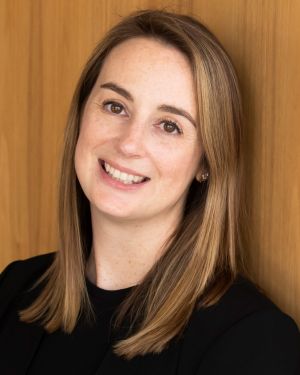
J. David Tompkins, BA, CEBS
Vice President, Sales, Manitoba Blue Cross
Winnipeg, MB
Tompkins has spent almost 40 years in the benefits industry, most of it in sales leadership roles.
Q: How have the demands of leadership in this space changed over time?
A: It used to be simple. Here are your objectives, get them done, or you’re fired. That was the old-school model, and it’s gone. Today’s leader has to set standards they’re actually willing to follow themselves, because no one follows a hypocrite. And it comes down to three things every team member wants from a leader, they want to know they can trust you, that you’re committed to their growth, and that you genuinely care about them. Get those three right, and people will follow you almost anywhere.
Q: What kinds of achievements or contributions do you think deserve recognition in this industry right now?
A: It’s easy to focus on numbers, in-force growth, new products, new processes. But I think thought and knowledge leaders deserve real recognition, people who transfer skills and knowledge to others. That’s the main duty of a leader, preparing your team to perform at their highest level. People active in their associations, authoring papers, speaking at conferences, all of that eventually helps the people doing the daily work.
Q: How does strong leadership translate into real outcomes for organizations and plan members?
A: Leading by example and paying real attention to relationship management will always translate into increased sales, client retention, and knowledge capital retention. If people feel cared for and valued, they reciprocate. It’s just human nature. The worst thing a leader can do is lay out a strategic plan and then disappear, leaving the team to handle it alone. You can hide that for a while, but eventually you’re found out.
Q: Where do you see the biggest opportunities for leaders to innovate in the current environment?
A: Shed the old manager-subordinate dynamic entirely. Work with your team, not above them, directive when you need to be, but always with a mutual purpose in mind. Honestly, the word “manager” itself is part of the problem; it implies managing people, even manipulating them. To lead means something different: being the person your team can lean on, showing them the path, and walking it with them.
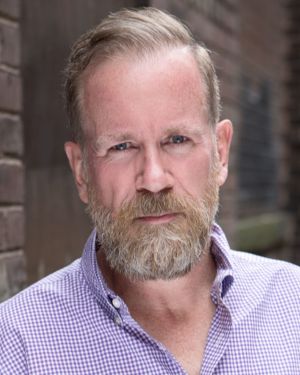
Korinne Collins
Chief Executive Officer, Association of Canadian Pension Management (ACPM)
Toronto, ON
Collins became CEO of ACPM in 2024 after senior leadership roles at the Canadian Credit Union Association, CIBC, IBM, and PwC.
Q: What personal or professional qualities do you think separate standout leaders from their peers in the Canadian benefits and pensions space in 2026?
A: Leverage the strength and intelligence of talented stakeholders across the industry.
Q: What kinds of achievements or contributions do you think deserve recognition in this industry right now?
A: Leaders who are solution-oriented, who can identify opportunities for improvement and work with partners and policymakers to drive change.
Q: How does strong leadership translate into real outcomes for organizations and plan members?
A: This isn’t unique to the pension and retirement income industry. Leaders need to build a team with top talent that is highly member-focused and innovative.
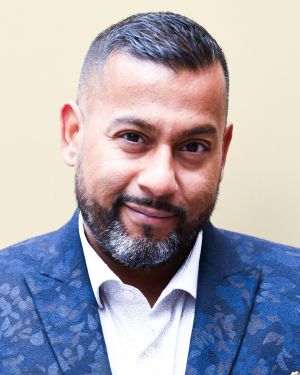
Ivan Sheehan
Principal Consultant and Head of Health Strategies, Ontario Teachers Insurance Plan (OTIP)
Waterloo, ON
Sheehan leads health strategy for OTIP, the not-for-profit insurer serving Ontario's education community.
Q: How does strong leadership translate into real outcomes for organizations and plan members?
A: When leaders monitor their plans closely, investigate what is driving emerging trends, and compare their experience with the broader environment, they are better positioned to act before challenges become more difficult or expensive. For members, that can mean clearer information, more relevant coverage, and help navigating the healthcare system. For organizations, it means acting earlier and making more targeted decisions, supporting a healthier, more productive workforce while avoiding broad cost-cutting measures that may not solve the underlying problem.
Q: Where do you see the biggest opportunities for leaders to innovate in the current environment?
A: Data and artificial intelligence offer an opportunity to evaluate plans more easily, gain deeper insights, and respond more quickly to emerging trends. But AI is a tool, not a replacement for professional judgment; its findings need to be validated against credible sources and considered alongside clinical, benefits, and workplace expertise. Innovation shouldn't be about adopting the latest solution simply because it's available. It should start with a real member or plan need, then look at the evidence and whether the solution will deliver meaningful value.
This year’s Hot List winners prove the tension driving this report, rising cost pressure against the demand for something more personalized, isn’t unsolvable.
-
Gory freed advisors from hours of manual work with tools that cost a few hundred dollars a month.
-
Vallis added mental health coverage and expanded parental leave in the same year she posted record sales.
-
Hirjee replaced filtered feedback with a direct line to Beneva’s leadership.
-
Chin turned partnership, not a single product, into a multibillion-dollar mandate.
Each solved a piece of the problem, but a piece is not the whole. Canadian DB plans are sitting on the healthiest solvency ratios in years, and pension risk transfer volume still hasn’t caught up to 2024’s pace, meaning most sponsors are choosing to hold risk rather than lock in the gain these 30 people’s peers already have.
Employer mental health spending is still 86 percent reactive. And recognition itself is moving toward the specialists doing this work, but slowly, C-suite titles and VP roles still make up nearly three-quarters of the list.
“It’s important to focus on innovation that provides tangible, meaningful outcomes, and avoid spending time on innovation just for innovation’s sake,” says ACPM’s Collins.
The industry has 30 examples now of what solving the problem looks like. What it does with the other several thousand professionals still waiting to catch up is next year’s story.
Top Financial Executives and Professionals in the Benefits, Pensions, and Institutional Investment Industries

- Alex Mazer
Co-founder and CEO
Common Wealth - Ayman Alvi
General Manager, Benefits
Rio Tinto - Barbara Zvan
President and CEO
University Pension Plan (UPP) - Blake Hutcheson
President and CEO
OMERS - Chelsea Kittleson
Executive Director
BC Municipal Pension Plan - Danny Martin
Principal, Risk and Investment Practice
Eckler Ltd. - Darryl Mabini
Assistant Vice President, Pension Advocacy & Research
HOOPP (Healthcare of Ontario Pension Plan) - Duane Green
CEO, Americas
Aviva Investors - Jamie Abbott
Senior Director, Benefits and Well-Being
Royal Bank of Canada - Jay McMahon
President and Chief Operating Officer
Specialty Life Insurance - Julie Joyal
Vice President, Pension Services
Alberta Teachers’ Retirement Fund Board - Julien Ranger
Partner, Pensions and Benefits
Osler - Karen Burnett
VP, Pension Solutions
CAAT Pension Plan - Kevin Lynch
Chief Sales Officer
Linea Solutions - Kim Zinck
President
Disability Management Institute - Krista Hogan
Director, Product Development, Health Benefits and Solutions
Sun Life - Marco Dickner
Retirement Risk Management Leader, Canada
Willis Towers Watson - Marie-Chantal Côté
SVP, Group Benefits
Sun Life Canada - Michael Gillis
Advisor
Boilermakers National Pension Plan - Olivier Pagé
Director, Group Disability Management Operations
Medavie Blue Cross - Renee Bilodeau
Vice-President, Board and Communication Services
BC Pension Corporation - Shileen Pederson
Director, Benefits
Saskatchewan Teachers’ Federation - Stacey Parker-Yull
Vice President, Pension Strategy & Services
WISE Trust - Stuart Morgan
Executive Director
British Columbia Public Service Pension Board of Trustees & British Columbia Teachers’ Pension Board of Trustees - Susan Nickerson
Partner; Head, Pensions, Benefits, and Executive Compensation
McCarthy Tétrault - Tejash (TJ) Modi
Partner and Practice Leader
TELUS Health
Insights
-
 Korinne Collins
Chief Executive Officer
Association of Canadian Pension Management -
 J. David Tompkins, BA, CEBS
Vice President, Sales
Manitoba Blue Cross -
 Ivan Sheehan
Principal Consultant & Head of Health StrategiesOntario Teachers Insurance Plan (OTIP)
FAQs
About the report
Q: What is the BPM Hot List?
A: The Hot List is an annual recognition program from Benefits and Pensions Monitor (BPM) that names the professionals doing the most to shape the benefits, pensions, and institutional investment space in Canada. Now in its fourth year, the 2026 list names 30 winners from across the country.
Selection and eligibility
Q: How are BPM Hot List winners selected?
A: Industry professionals across Canada submit nominations each June, and BPM’s editorial team reviews every entry for evidence of what a nominee built, fixed, or led in the past 12 months. Nominees need at least 10 years of industry experience to qualify, and the editorial team narrows hundreds of nominations down to 30 winners.
Q: Is the BPM Hot List pay-to-play?
A: No. Nomination and inclusion on the BPM Hot List cost nothing, and no winner pays a fee to be recognized. Selections are based solely on the editorial team’s assessment of each nominee’s impact over the past year.
Q: How does the BPM Hot List differ from other industry recognition programs?
A: The Hot List is built entirely from peer and self-submitted nominations reviewed by BPM’s editorial team, rather than a paid submission process or a membership-based list. Winners are chosen for documented impact in the past year, not for tenure, title, or a subscription fee.
Data and trends
Q: What does BPM’s four-year Hot List data show about who gets recognized?
A: C-suite representation among winners has fallen to 23 percent in 2026, the lowest share since the list began, while advisors, partners, and specialists now hold 27 percent, the highest share yet. Separately, the share of winners with 10 to 20 years of industry experience has climbed every year, from 20 percent in 2023 to 37 percent in 2026.
Q: What does the 2026 Hot List suggest about where the industry is headed?
A: The data point toward recognition continuing to concentrate on hands-on specialists, advisors, partners, and practice leaders, rather than C-suite executives, as affordability pressure pushes the industry to reward the people closest to solving cost and personalization challenges day to day. BPM expects this pattern to shape who gets nominated for the fifth annual Hot List in 2027.
Methodology
In June 2026, Benefits and Pensions Monitor invited industry professionals from across the country to submit peer and self-submitted nominations for their most exceptional leaders for the fourth annual Hot List.
Nominees had to have been in the industry for at least 10 years. After reviewing hundreds of nominations, BPM narrowed the list down to 30 movers and shakers whose contributions have helped shape the benefits, pensions, and institutional investment space over the past 12 months.
From innovators at the forefront of change to leaders who are transforming the way the industry does business, this year’s Hot List represents the best the industry has to offer.