Phase three lifts system-wide processing past two billion cubic feet per day
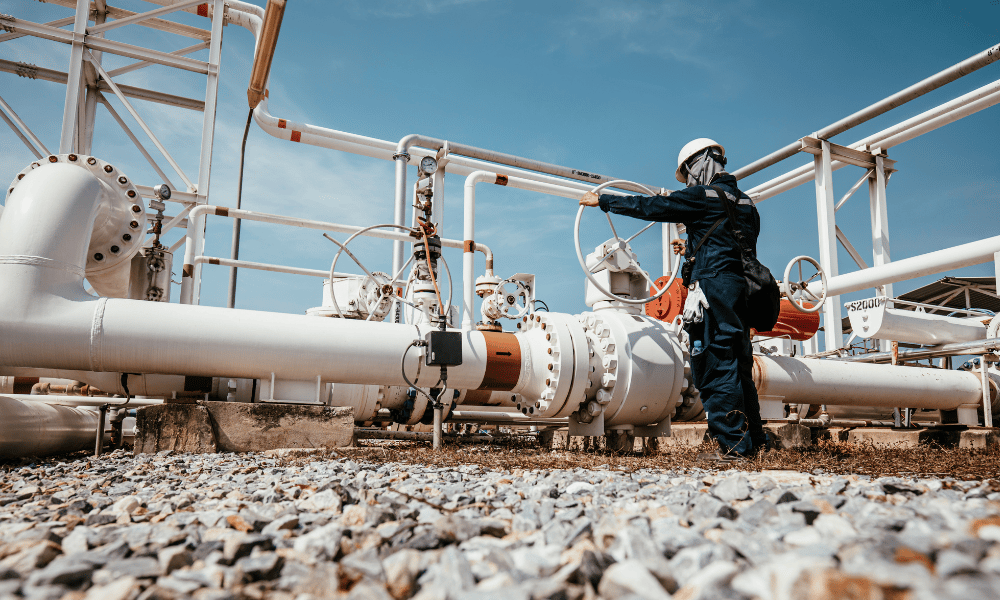
Wolf Midstream has reached a final investment decision on an approximately $500m expansion of its NGL North system in Alberta, backed by shareholder Canada Pension Plan Investment Board.
The Calgary-based company announced the decision last Tuesday, the Financial Post reported, on a third phase following a second expansion announced in July 2024.
Phase three adds approximately 0.6 billion cubic feet per day of natural gas processing to NGL North, according to Wolf's press release, along with a natural gas-fired cogeneration facility, expanded de-ethanization capacity and an expanded unit-train rail terminal at Wolf Feedstock Separation in Sturgeon County, Alberta.
The Financial Post reported the addition brings system-wide processing capacity to just over two billion cubic feet per day.
The vast majority of anticipated NGL production from the phase is contracted under long-term, fixed-fee commercial arrangements against investment-grade counterparty credit, Wolf said in its release.
Bob Lock, president and chief executive officer of Wolf Midstream in Calgary, said in a press release carried by the Financial Post that Phase Three moves the platform toward "its ultimate design capacity of approximately 3 Bcf/d and 170,000 bpd of NGL production."
The expansion reflects "the proven execution capability of our team," Lock said.
Wolf is adding a third NGL recovery train at each of its two northern Alberta recovery facilities.
At Wolf Recovery Facility 2, northwest of Fort McMurray and currently under construction, the additional train raises total processing capacity to over 1.1 billion cubic feet per day, with service anticipated in early 2027.
At Wolf Recovery Facility 1, near Mariana Lake, the train raises capacity to approximately one billion cubic feet per day, anticipated in service in mid-2028.
Wolf Feedstock Separation is being expanded with a third de-ethanizer tower, lifting total NGL production capacity to approximately 110,000 barrels per day including more than 80,000 barrels per day of ethane, per the release, with service anticipated in early 2027.
A 37-megawatt cogeneration facility at the site is anticipated in service in 2028, and the expanded rail facility, with initial loading capacity of approximately 60,000 barrels per day, is expected in service later in the year the release was issued.
Bill Rogers, managing director and head of sustainable energies at CPP Investments in Toronto, said in the release that Wolf has grown into an integrated energy infrastructure business in Alberta since the pension manager's initial investment.
He said the expansion positions Wolf to meet growing customer demand and support infrastructure development in the province.
Canada relies on imports from the United States for roughly a quarter of its condensate needs, the Financial Post reported, while nearly all butane produced in Canada is exported to the United States.
Condensate is used to dilute bitumen from the oilsands so it can move through pipelines.