Gan&Lee dosed the first of 112 participants; WHO projects US$3 trillion in annual obesity costs by 2030
Gan&Lee Pharmaceuticals has dosed the first participant in a first-in-human phase 1 study of GZC8072 tablets, an ultra-long-acting oral peptide glucagon-like peptide-1 receptor agonist (GLP-1 RA) formulated for once-weekly administration.
The company's announcement puts planned enrolment at 112 participants, each receiving either GZC8072 tablets or matching placebo.
Registered as CTR20263271, the trial is multicentre, randomized, double-blind, parallel-group, and placebo-controlled.
Its single ascending dose portion evaluates safety and tolerability in healthy adult participants, while the multiple ascending dose portion enrols participants with overweight or obesity.
Gan&Lee says it developed GZC8072 independently, basing the candidate on native GLP-1 and targeting type 2 diabetes mellitus (T2DM) alongside weight management in people with obesity or overweight.
Two proprietary platforms, NovaPeptide and SupOraTide, underpin the tablet, which the company said combines enhanced intrinsic activity, a prolonged pharmacokinetic half-life, and improved oral bioavailability to support once-weekly oral dosing.
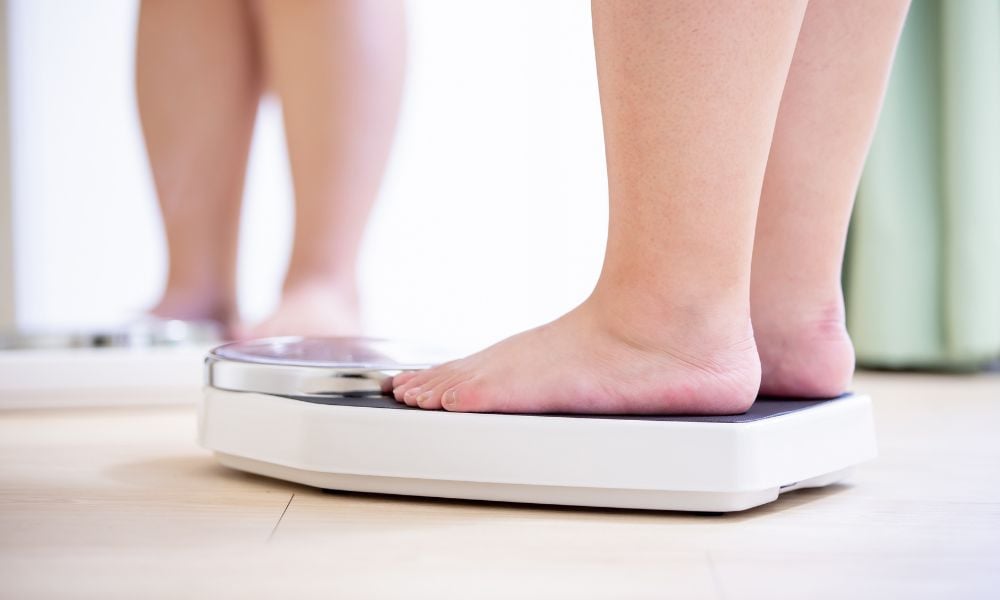
In 2022, 2.5bn adults aged 18 and older were overweight, the World Health Organization (WHO) fact sheet on obesity and overweight shows, including more than 890m living with obesity.
That equals 43 percent of adults aged 18 and over, up from 25 percent in 1990, with 16 percent living with obesity.
Prevalence of overweight ranged from 31 percent in the WHO South-East Asia Region and the African Region to 67 percent in the Region of the Americas.
Higher-than-optimal body mass index (BMI) caused an estimated 3.7m deaths from noncommunicable diseases (NCDs) in 2021, WHO reports, citing the GBD 2021 Risk Factor Collaborators.
Global costs of overweight and obesity are predicted to reach US$3tn per year by 2030 and more than US$18tn by 2060, according to WHO, which cites Okunogbe and colleagues in work published by the World Obesity Federation.
WHO published a guideline in December 2025 on the use of GLP-1 therapies for the treatment of obesity in adults.
The agency frames the guideline as support for the safe, equitable, and appropriate inclusion of pharmacological therapy within comprehensive obesity chronic care programs, and states it is not a standalone solution.
“Obesity has become a truly global issue,” said Johanna Ralston, identified by Obesity Weight Loss Network as CEO of the World Obesity Alliance, in the outlet's account of the World Obesity Federation's 2025 World Obesity Report.
The publication reported the forecast that more than 2.9bn adults worldwide will be in a high-BMI state by 2030, of whom 1.1bn, comprising 487m men and 643m women, will reach obesity levels at a BMI of 30 or above.
Obesity Weight Loss Network, citing the same report, put China's share of adults with a high BMI at 41 percent by 2025 and obesity prevalence at 9 percent.
The report defines high BMI as covering overweight at 25 to 30 kg/m2, obesity grade I at 30 to 35 kg/m2, and obesity grade II or above at more than 35 kg/m2, according to the outlet.
More than 17m people under the age of 70 died from NCDs worldwide in 2021, with 11m of those deaths attributed to preventable risk factors, the site reported.
High BMI accounted for 15 percent of the causal factors in those preventable premature deaths, and for type 2 diabetes the figure reached 55 percent.
Gan&Lee's portfolio also includes the biweekly injectable bofanglutide (GZR18) and the ultra-long-acting weekly Insulin Ludefen (GZR4), the company said in the same announcement.