Most did not know menopause may be linked to their symptoms
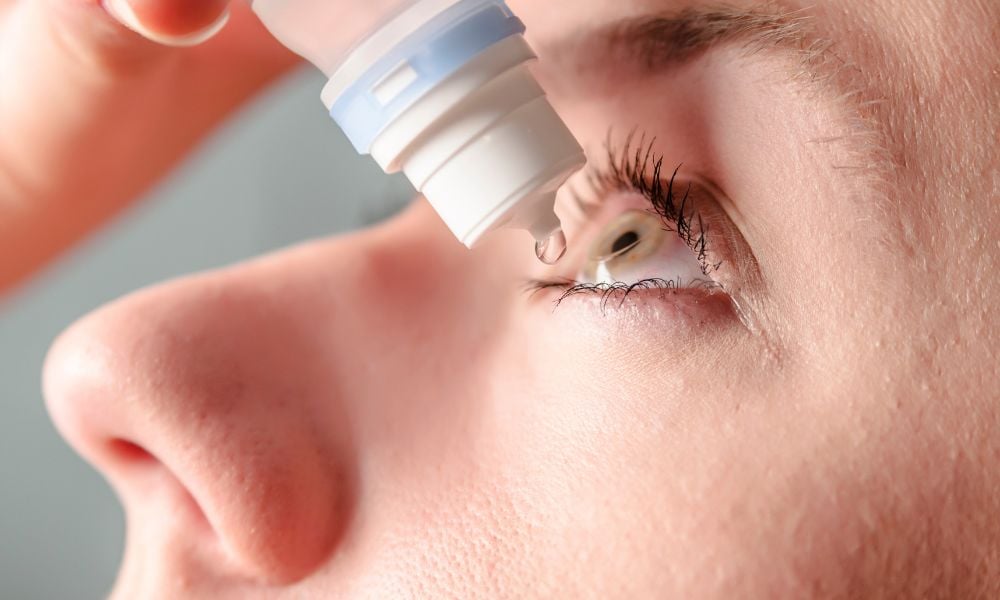
About one in three people who suffer from dry eye say the condition raises their stress or anxiety, and nearly three in 10 say it drags on their productivit.
Bausch + Lomb released the results from its third annual State of Dry Eye survey, which point to an emotional toll beyond the physical symptoms.
The Harris Poll conducted the survey online in May 2026 among 1,000 people managing the condition with either a prescription treatment or an over-the-counter (OTC) product.
Beyond stress and anxiety (33 percent), the survey found that 28 percent of sufferers reported an effect on their mood, 22 percent on their self-confidence and 20 percent on their emotional wellbeing.
The newest State of Dry Eye findings reveal "a noticeable impact on emotional health and well-being," said Andrew Stewart, president of global pharmaceuticals and international consumer at Bausch + Lomb, in a statement.
Earlier surveys had already shown that the physical symptoms present challenges in everyday life, he noted.
The survey also compared outcomes by treatment type.
After starting treatment, prescription users reported near-total or substantial improvement more often than OTC users across four measures.
They came out ahead on self-confidence (64 percent versus 25), productivity (60 versus 43), emotional wellbeing (59 versus 34) and mood (52 versus 38).
The company noted the OTC comparison drew on a base of fewer than 100 respondents.
The findings also flagged gaps in awareness of what can drive the condition.
Ninety percent of sufferers did not know dry eye symptoms may be associated with menopause, and 78 percent were unaware of a possible link to autoimmune conditions.
Fewer than one in 10 knew of a potential connection to lupus (8 percent), type 1 diabetes (8 percent) or rheumatoid arthritis (7 percent).