Health Canada has approved ZEPBOUND for sleep apnea in adults with obesity, raising new formulary questions for Canadian plan sponsors
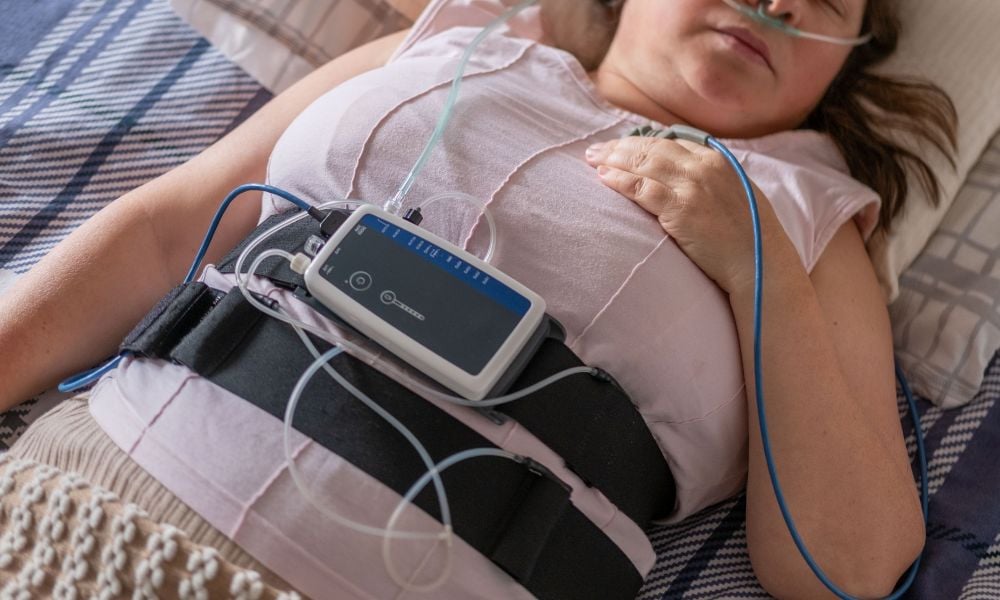
Health Canada approved ZEPBOUND (tirzepatide injection) on June 16, 2026 to treat moderate to severe obstructive sleep apnea (OSA) in adults with obesity.
The decision, announced by Eli Lilly Canada, makes ZEPBOUND the first medication approved in Canada for this indication.
For benefits professionals, it adds a new dimension to an already complex GLP-1 coverage conversation.
Sleep apnea: a condition with real workforce consequences
According to a 2009 Public Health Agency of Canada survey — the first national estimate of its kind — approximately 3 per cent of Canadian adults had been diagnosed with sleep apnea. A further 26 per cent reported symptoms and risk factors associated with a high risk of having or developing obstructive sleep apnea (OSA).
The condition causes repeated breathing pauses during sleep, which lead to excessive daytime sleepiness, impaired concentration, and memory loss.
International research points to a meaningful cost burden. Employers with comprehensive OSA programs reduce costs by an average of USD3,400 per employee per year, according to a peer-reviewed study in Healthcare. These savings are made through improvements in absenteeism and productivity.
Beyond productivity, OSA is linked to other health conditions such as:
- hypertension
- heart disease
- cerebrovascular disease
- depression
- type 2 diabetes
- increased risk of workplace accidents
What the approval for new sleep apnea drug covers
ZEPBOUND is approved for adults with a BMI of 30 kg/m² or greater, alongside a reduced-calorie diet and increased physical activity. It is not a standalone treatment.
The drug reduces OSA severity through weight loss by activating two hormone receptors — GLP-1 and GIP — to reduce appetite and food intake.
Health Canada’s decision was based on the SURMOUNT-OSA phase 3 clinical trials. Key findings after 52 weeks:
- adults not using PAP therapy: approximately 25 fewer breathing disruptions per hour on ZEPBOUND vs. approximately 5 fewer on placebo
- adults using PAP therapy: approximately 29 fewer breathing disruptions per hour on ZEPBOUND vs. approximately 6 fewer on placebo
- 42 per cent of ZEPBOUND users without PAP therapy achieved OSA remission, compared to 16 per cent on placebo
- 50 per cent of ZEPBOUND users with PAP therapy achieved OSA remission, compared to 14 per cent on placebo
Dr. R.J. Kamatovic, a physician at Niagara Medical Wellness Clinic in Ontario, noted that CPAP adherence has long been a barrier.
“Expanding treatment options that address both excess weight and OSA may help close an important gap in care,” Kamatovic said.
The formulary question for plan sponsors
This approval does not automatically trigger benefits coverage. Plan sponsors will need to make an active decision.
The core question: is ZEPBOUND for OSA treated as a distinct indication from weight loss? Or does it fall under the same restrictions many plans already apply to GLP-1 drugs?
As Benefits and Pensions Monitor has reported, some employers have dropped GLP-1 coverage for obesity altogether. Others are expanding it.
For benefits professionals, the OSA indication may offer a more defensible coverage path. It links the drug to a diagnosed, measurable condition rather than weight management.
Alberta Blue Cross’s 2026 drug pipeline report noted that employees will ask about treatments they have read about in the news. Balancing access, sustainability, and employee expectations will be the challenge.
Before updating formularies, plan sponsors should weigh:
- diagnosis requirement: OSA coverage requires a documented diagnosis — a higher bar than weight management alone, which may support prior authorisation processes
- dual comorbidity: The drug targets obesity and OSA at the same time. Model total treatment cost against the cost of leaving both conditions untreated
- GLP-1 spend trajectory: Alberta Blue Cross found overall GLP-1 plan spend is unlikely to fall. Plans without a clear policy face increasing urgency
Those already tracking access barriers across GLP-1 drug categories will need to factor the OSA indication into their formulary reviews.
ZEPBOUND was first authorized by Health Canada in May 2025 for weight management. For a broader look at how GLP-1 approvals are straining employer drug plans, BPM’s earlier coverage of the Alberta Blue Cross pipeline report provides useful context.
The ZEPBOUND approval is one of several drug decisions Canadian plan sponsors are navigating right now. For more coverage on drug approvals, GLP-1 coverage, and plan cost pressures, visit BPM’s pharma section.