One in five young men report moderately severe to severe mental health conditions
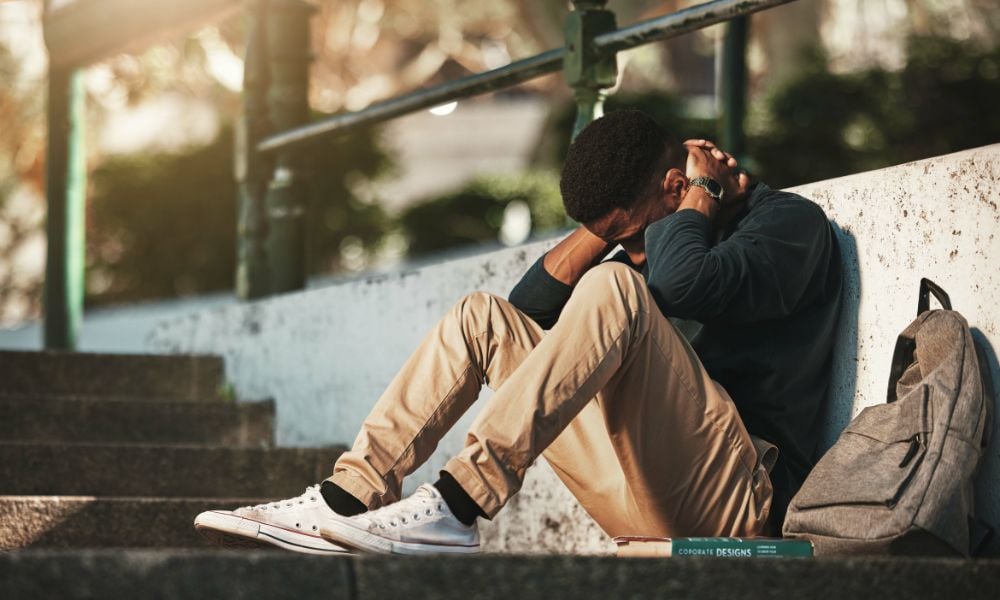
If silence were billable, young Canadian men would be model patients. Last year, 44 percent of those who needed mental health support never accessed it.
Nearly half of those who did dropped out before their needs were met, according to a new report from GreenShield and Mental Health Research Canada (MHRC).
The report, From Silence to Support, found that the problem is less about availability than fit.
One in five young men aged 16 to 29 report moderately severe to severe depression or anxiety, yet one in three view seeking help as a sign of weakness, rising to 50 percent among newcomers.
Among those who do start care, 49 percent disengage, most often because they have little control over decisions about their care (20 percent), face inflexible scheduling (18 percent) or see no progress (15 percent).
Stigma is "only part of the picture," said Zahid Salman, president and CEO of GreenShield, because "care is not designed for how they seek or engage with support."
He said Canada's first Men and Boys' Health Strategy could reshape care around how young men actually look for help.
When care does not fit, young men turn to higher-risk alternatives that carry their own costs.
The report found they are two to three times more likely than the general population to rely on unhealthy coping mechanisms such as gambling and substance use, raising the risk of long-term mental health, financial and social challenges.
Gambling risk runs at roughly double the national average, at 15 percent vs 7-8 percent.
Compared with those older than 55, young men are three to four times more likely to indicate problematic substance use and 12 times more likely to indicate problematic gambling, and most addictions begin under the age of 29.
Many also route around the system entirely.
Young men are less likely than young women to seek support from friends, family or professionals (65 percent vs 76 percent), but as likely to use AI tools (12 percent) and more likely to use online forums (7 percent vs 3 percent), channels where, the report says, quality and safety are not guaranteed.
The gaps compound for equity-seeking groups.
Racialized young men are less likely to turn to family and friends (54 percent vs 68 percent) and nearly twice as likely to speak to no one (29 percent vs 15 percent).
2SLGBTQI+ youth are twice as likely to seek support and twice as likely to say they needed help but did not access it, citing past support that did not work.
Akela Peoples, president and CEO of Mental Health Research Canada, said young men's needs had been "overlooked for too long."
She described "not just a gap in access, but a delay in care," and said many young men do not find support until problems become severe.
The report argues that expanding access alone will not close the gap.
It calls for a gender-informed approach co-created with young men, with services that adapt design, language and delivery, including digitally native and gamified options and language that frames support as a source of strength rather than treatment.