Canada's first generic semaglutide changes the calculus on one of the most debated coverage decisions in group benefits today
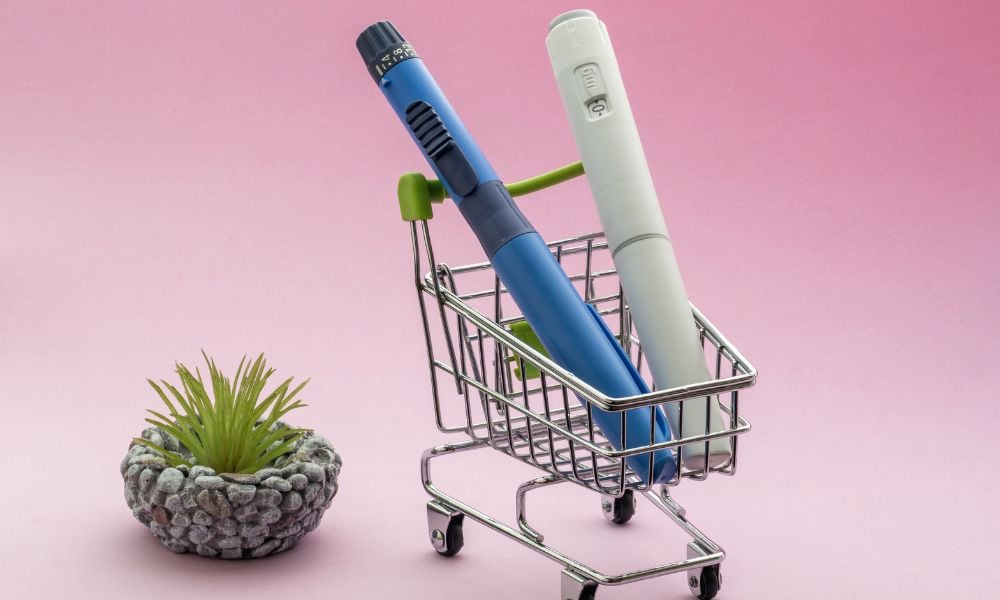
Canada became the first G7 country to approve a generic weight-loss drug, cracking open a market where brand-name treatments cost up to $450 a month — just as the two biggest players in the obesity space are locked in a deepening price war.
The timing matters.
According to Obesity Canada, Obesity costs Canada an estimated $27.6bn to $54bn annually in combined direct healthcare expenses and indirect economic losses with untreated cases driving more than $21bn in productivity losses alone.
Nearly one in three Canadians live with obesity, and almost 68 percent of Canadian adults are considered overweight or obese.
Health Canada approved Dr Reddy's Laboratories' generic semaglutide — the active ingredient in Ozempic and Wegovy — for once-weekly treatment of Type 2 diabetes in adults, Global News reported.
Eight other generic submissions are currently under review.
The price gap is stark.
Brand-name Ozempic runs $200 to $450 a month, Mounjaro $300 to $550, and Wegovy roughly $400, according to Canadian healthcare platform Felix.
Under the pan-Canadian Pharmaceutical Alliance's pricing framework, the first generic typically costs 75 to 85 percent less than the brand name — a drop McGill University neurology professor Dana Small pegged at "$40 to $80" a month.
Reuters reported Eli Lilly raised its full-year profit and revenue forecasts after first-quarter results beat Wall Street expectations.
The Indianapolis-based drugmaker posted adjusted earnings of US$8.55 per share, well above the US$6.66 analyst estimate per LSEG data, as Mounjaro generated US$8.7bn in sales — beating expectations by more than US$1bn — and Zepbound brought in US$4.2bn.
“After a weaker start to 2026, first-quarter results firmly put concerns to bed,” said BMO Capital Markets analyst Evan Seigerman.
Lilly now sees 2026 revenue of US$82bn to US$85bn, up from a prior forecast of US$80bn to US$83bn, and adjusted earnings of US$35.50 to US$37.00 per share, up from US$33.50 to US$35.00.
International volume drove much of the outperformance.
“International Mounjaro sales drove this impressive top-line beat,” said Bellevue Asset Management investor Terence McManus, adding that Lilly has overtaken Novo as the GLP-1 market share leader outside the US, Reuters reported.
Lilly said its oral obesity pill Foundayo — approved in early April — has reached more than 20,000 patients and over 8,000 prescribers.
Two of the three largest US pharmacy benefit managers will start covering it next month.
Reuters reported that Novo Nordisk heads into first-quarter earnings Wednesday needing to show its own oral Wegovy pill can offset falling US prices and rising competition.
A share price slide has wiped more than US$400bn off its market value since a 2024 peak, following disappointing drug trials, outlook cuts, and a leadership change.
Early prescription data offers some relief — IQVIA tracked about 721,000 US prescriptions in the first quarter, according to Seigerman. But analysts warn volume may be masking softer revenue.
Around 450,000 of those prescriptions were for the cheapest 1.5 mg starter dose at US$149 a month, and BMO estimates first-quarter pill revenue could land about 12 percent below analyst consensus of roughly US$1bn.
Barclays analyst James Gordon told Reuters there were still “quite a lot of moving parts” ahead.
Novo shareholder Lukas Leu agreed, calling the launch “definitely strong” but flagging uncertainty over whether it would “compensate Novo for the price decline, which is faster.”
Analysts cited by Reuters expect the broader GLP-1 market to reach US$150bn annually in the next decade.
How quickly generics, pricing pressure, and competing pills reshape that market — and who bears the cost — is a question plan sponsors may need to answer sooner than expected.