Australian Retirement Trust funded its biggest yen overweight in years by cutting US dollar exposure
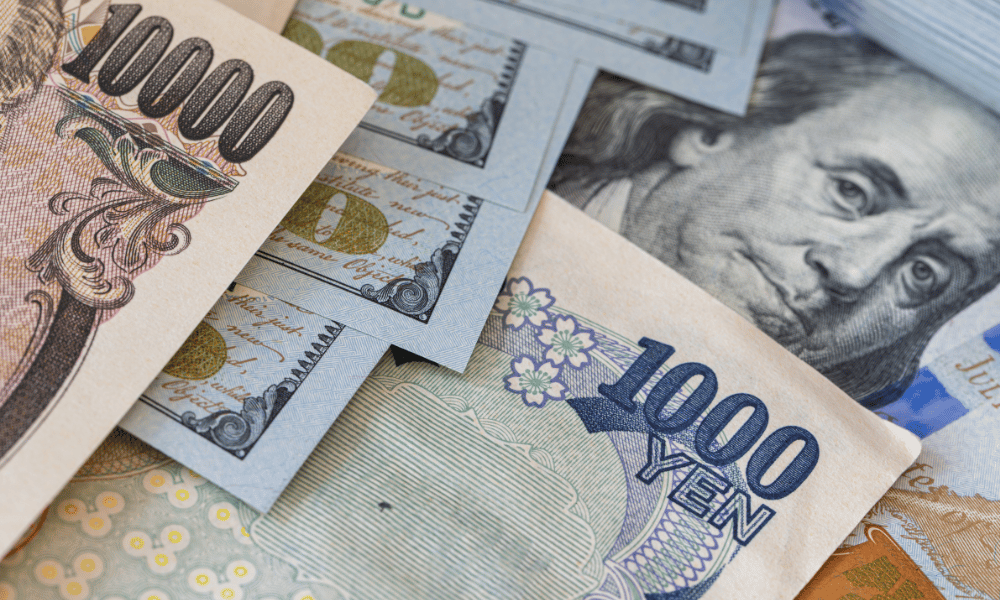
A pension fund managing about A$370bn (US$265bn) has spent six months building its biggest overweight position in the Japanese yen in years, funded partly by trimming its exposure to the US dollar.
Jimmy Louca, a senior portfolio manager at Australian Retirement Trust, told Bloomberg the fund added to the trade as the yen weakened toward 160 per US dollar.
ART is Australia's second-largest pension, and the position is a rare bullish call on the currency at a time when many investors are looking to sell it, according to Bloomberg.
The yen hit a 40-year low last month as traders bet the Bank of Japan will be slow to raise rates while energy costs stay elevated, Bloomberg reported.
Louca argues the market has only got part of that right: the drag from higher energy prices is priced in, he said, but the odds of BOJ rate hikes look too low.
"Any reversion in those two factors should support the yen," Louca told Bloomberg on Tuesday.
He said the firm has moved to an overweight position in the Japanese yen.
Swaps are pricing in about an 80 percent chance of a BOJ rate hike in September, with a move fully priced by October, according to data compiled by Bloomberg.
Louca sees scope for the central bank to move next month and potentially signal two hikes before higher energy prices complicate its path, particularly if the Middle East conflict escalates after the US midterm elections in November.
"If they deliver mostly on that, I think the market could move higher in terms of Japanese yields," Louca said.
The overweight sits inside ART's dynamic asset allocation program, which applies across all its diversified options.
In the high-growth option, Bloomberg reported, the trade accounts for about half a percentage point.
Louca puts fair value for dollar-yen at around 150, potentially reaching the high 140s, against a current level of about 159.21.
Louca draws a contrast between Japanese and US intervention in currency and bond markets.
Japanese authorities are essentially buying time until higher interest rates can support the yen, he said, while US efforts to hold down Treasury yields run against underlying fundamentals.
That skepticism shows up in the bond book.
ART holds an underweight of about half a percentage point in US Treasuries, Bloomberg reported, citing above-target inflation, resilient growth, and competition for capital from the AI investment boom as factors Louca expects to push term premiums and yields higher.
Louca said the latest Operation Twist only delays upward pressure on yields rather than preventing it.
He put 30-year yields on a path toward 5.5 percent and said the market is starting to move toward the debasement view.
US 30-year borrowing costs touched a near two-decade high last week before the Treasury surprised markets with plans to increase buybacks of longer-dated debt.
The US 10-year yield was little changed at 4.63 percent on Wednesday, with the 30-year at 5.17 percent, according to Bloomberg.
Australia's A$4.4tn pension system is the world's fastest-growing pool of retirement savings, Bloomberg reported, and funds face close regulatory scrutiny including an annual performance test measuring returns against key benchmarks.
With about half the money invested offshore, currency risk management matters for investment chiefs who need to pay members in Australian dollars.
The US dollar remains an important diversifier, Louca said, and ART still holds significant exposure to the greenback because of its reserve currency status.
He sees a risk that efforts to suppress nominal yields could fuel inflation and weaken the currency.
"You can't have your cake and eat it too," Louca said.