The decision comes as the bank grapples with trade uncertainty, renewed tariff threats
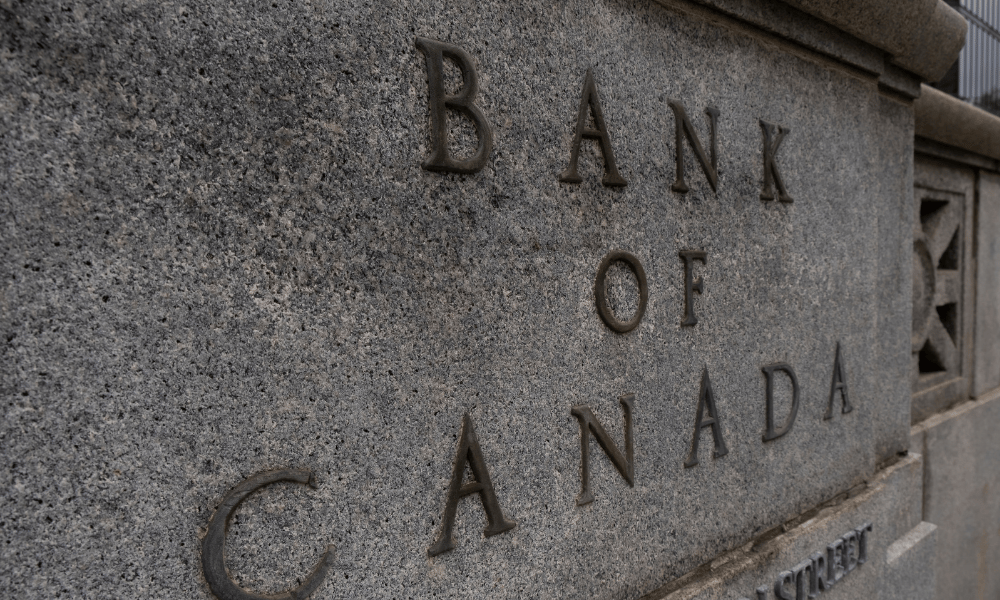
The Bank of Canada (BoC) has kept its benchmark interest steady at 2.25 per cent for the seventh consecutive time today. The decision comes as the central bank grapples with another bout of trade uncertainty.
“The continuing conflict in the Middle East is keeping energy prices high. As well, new US tariffs and Canadian countermeasures have been announced following the breakdown of trade talks between Canada and the United States. Both situations remain fluid,” said the central bank in its press release.
“Overall, the global economy has shown resilience in the face of geopolitical headwinds, with growth broadly consistent. With still-high oil prices and elevated margins for refined energy products, inflation in most countries remains high,” the bank added.
According to the bank, financial conditions have become tighter since July. Long-term bond yields have risen around the world, including in Canada, and the Canadian dollar has gained modestly amid broader US dollar weakness.
The Canadian economy also picked up in the second quarter, with GDP growing at 3.3 per cent after a very sluggish first quarter, as expected, the bank said. Although some of the recent momentum was driven by temporary factors, the rebound was widespread.
Consumer spending posted solid gains, and housing activity recovered somewhat after several weak quarters. Both exports and business investment rose sharply. Labour market conditions have also improved in recent months, with the unemployment rate dipping to 6.4 per cent in July.
Additionally, the bank noted CPI inflation has hovered near 3 per cent in recent months, driven largely by persistently elevated gasoline prices. So far, there is little sign that higher energy costs are feeding into other areas of inflation: excluding gasoline, inflation stood at 2.2 per cent, and core inflation measures remained close to 2 per cent in July.
"However, with the Middle East conflict still ongoing and little progress reopening the Strait of Hormuz, upside risks to the Bank’s inflation forecast have increased. The longer that high oil prices and elevated refinery margins persist, the greater the risk of spillover to the prices of other goods and services. New US tariffs and Canadian counter-tariffs will also raise costs for some businesses and could feed into consumer prices over time," the bank said in its statement.
Both economists and bond markets anticipate the Bank of Canada will hold rates steady through the rest of this year, though rate increases are seen as likely next year. Interest rate swap markets, which capture investor expectations for monetary policy, suggest virtually no chance of a hike at today's decision or at the next announcement in October.
Forecasters share a similar near-term outlook. Every one of the 35 economists surveyed by Reuters last week predicted the Bank of Canada would hold the policy rate at 2.25 per cent today. Nearly half expect at least one rate increase during the first half of next year.
"With the economy and inflation evolving broadly, Governing Council agreed to leave the policy rate unchanged. However, the upside risks to inflation have increased, while new tariffs make growth prospects more uncertain," said the central bank in a statement. "Governing Council will assess the sustainability of the economic rebound and the outlook for inflation, and is prepared to adjust monetary policy as needed. The Bank remains committed to maintaining Canadians’ confidence in price stability through this period of global upheaval."