Iran-US conflict, inflation spike are reasons for the call
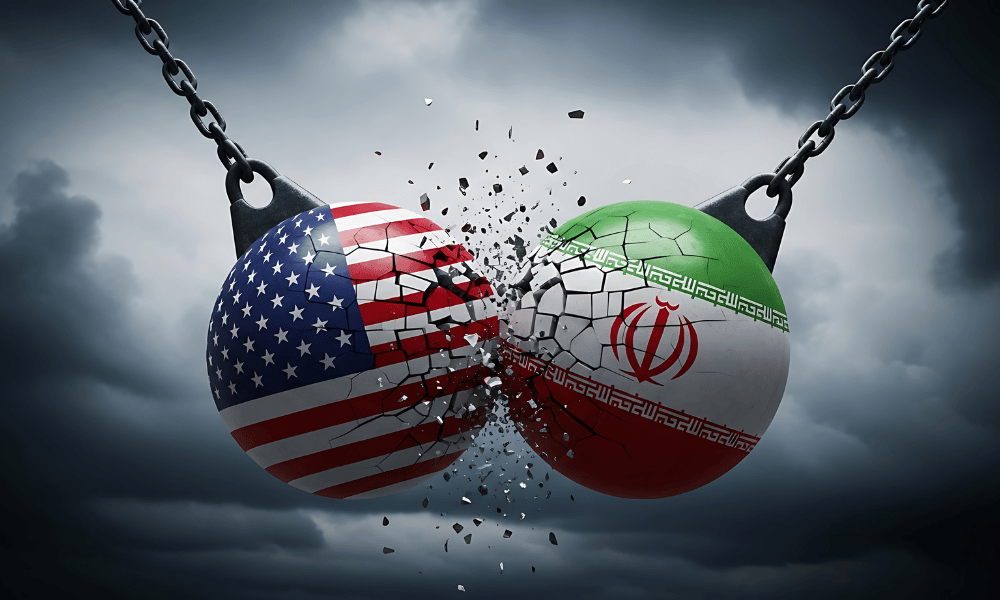
The Canadian central bank has decided to hold the overnight rate steady at 2.25 per cent, citing continued uncertainty amid the US-Iran conflict and geopolitical uncertainty.
“The evolving conflict in the Middle East is causing heightened volatility and US trade policy continues to reshape global trade patterns. Both are ongoing sources of uncertainty. The Bank’s April outlook assumes tariffs remain unchanged and the global benchmark price of oil declines to US$75 per barrel by mid 2027,” the bank said in its official statement.
The rate has held steady since December.
The decision notably comes after several experts also expected the Bank to hold. Soami Kohly, investment officer and fixed income portfolio manager with MFS Investment Management said upcoming CUSMA negotiations also remain top of mind for the central bank.
“If the US were to say, ‘We're canceling the agreement,’ I think Canada goes into a recession,” said Kohly. “Now we don't have a favourable trade agreement with the US or taxes on our goods will go up, which basically means we should have a slowdown in the economy… And I think what the Bank of Canada will need to do at that point is stimulate the economy back up. And that's why they would have to cut rates in that scenario.”
Earlier this month, the Monetary Policy Council (MPC) of the C.D. Howe Institute recommended that the Bank of Canada hold its benchmark overnight rate at 2.25 per cent at its upcoming April 29 decision, keep it unchanged through October, and then increase it to 2.5 per cent by April 2027.
Geopolitical and trade uncertainty were cited as the primary reasons for holding firm. Members pointed to unpredictability surrounding the Middle East conflict and the forthcoming review of CUSMA as compelling reasons to keep rates unchanged in the near term.
They also observed that the economy is caught in a stagflationary dynamic - experiencing both sluggish growth and rising price pressures - and that patience is warranted until greater clarity emerges.
The closure of the Strait of Hormuz was also identified as a significant disruptor, affecting not just oil prices but a wide array of commodities. Members also noted that the supply chain disruptions caused by the conflict will likely have lasting economic consequences well beyond the end of hostilities, compounding a manufacturing downturn in Canada that predates the war.
Following the central bank's March rate decision, Governor Tiff Macklem indicated that the Bank would tolerate the initial inflationary impact of the oil price shock but stood ready to intervene if those price pressures showed signs of becoming persistent.
“CPI inflation will likely rise further in April to about per cent. Based on the assumption that oil prices will ease, inflation is forecast to come down to the 2 per cent target early next year and remain around 2 per cent over the projection horizon,” said the central bank.
"We are closely monitoring the impact of the conflict in the Middle East and how the economy is responding to US tariffs and trade policy uncertainty. Governing Council is looking through the war’s immediate impact on inflation but will not let higher energy prices become persistent inflation. As the outlook evolves, we stand ready to respond as needed," the bank added.
The Federal Reserve also meets Wednesday afternoon and is expected to hold rates as well.