Pension giant eyes profits as NSE targets US$55 billion valuation in long‑awaited Mumbai listing
Canada’s largest public pension fund is preparing to unlock gains from the world’s most active equity derivative trading platform.
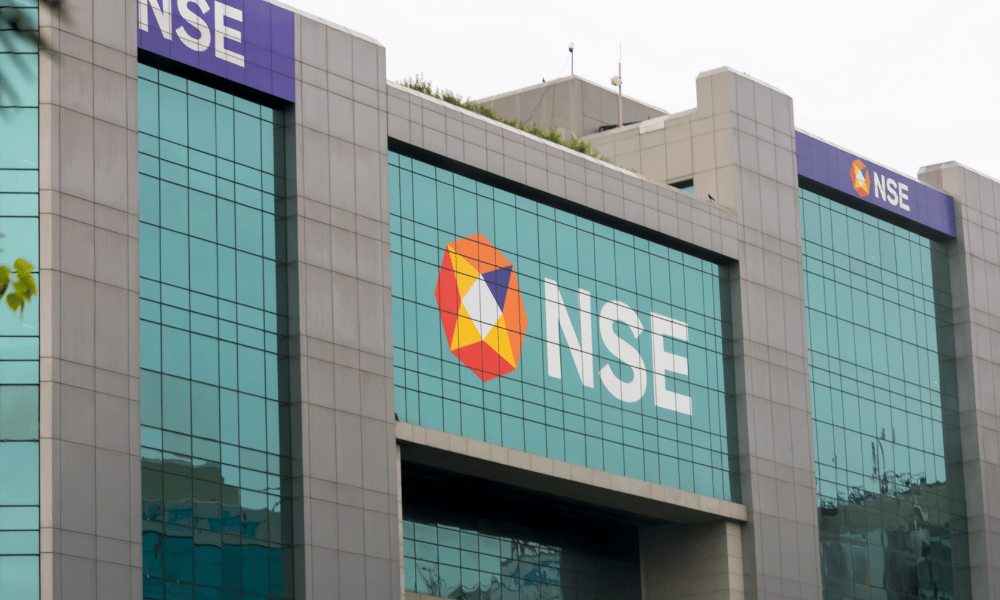
Reuters reported in an exclusive that Singapore’s state-owned investor Temasek and the Canada Pension Plan Investment Board (CPPIB) are among about 20 investors preparing to sell down stakes when India’s National Stock Exchange (NSE) goes public this year.
Existing shareholders plan to sell a 5 percent stake in the IPO, according to two sources cited by the same outlet.
The share sale by India’s largest exchange would be worth about US$2.75bn, based on a total valuation of US$55bn implied by a platform that trades NSE’s unlisted shares.
The offering would be one of two large share sales in India this year, alongside an issue by billionaire Mukesh Ambani’s Reliance Jio Platforms.
Also among the sellers will be India’s state insurer Life Insurance Corporation, its largest bank State Bank of India and homegrown private equity fund ChrysCapital, the two sources told Reuters.
Institutional shareholders in NSE include Life Insurance Corporation, State Bank of India, Temasek Holdings, Morgan Stanley and CPPIB.
In response to Reuters’ queries, NSE said its board has approved an initial public offering through an offer for sale but declined further comment at this stage.
Life Insurance Corporation, State Bank of India and ChrysCapital did not respond to requests for comment, while Temasek and CPPIB declined to comment.
Monday was the deadline for expressions of interest to sell, sought by merchant bankers as part of the IPO process, both sources said to Reuters.
NSE is also the world’s most active equity derivative trading platform, with a listing approved this year after a long delay due to litigation with markets regulator the Securities and Exchange Board of India (SEBI).
India’s biggest bourse and the world’s most active derivatives exchange has been trying to list since 2016, while its smaller domestic rival BSE Ltd listed in 2017.
Approval for the listing has been held up by regulatory investigations into NSE’s conduct on fair market access for traders via its co-location facilities, with the case currently pending in India’s Supreme Court.
Last year, NSE offered to settle the matter by paying 13.87bn rupees (US$154m), and SEBI is still considering the settlement.
Reuters said a monetary settlement to resolve the litigation is likely, opening the way for the public offer.
On the regulatory timeline, SEBI’s chairperson said on a Saturday that the regulator could “possibly” grant the required approval for NSE’s listing this month.
Formal appointments of investment bankers and law firms will follow a no-objection certificate from SEBI, a source told the same outlet, confirming that early talks have begun.
NSE plans to file its draft prospectus with SEBI after it declares its financial results.
In a report last January, the outlet said the exchange aimed to file that draft by the end of March and was in discussions with investment bankers and law firms to finalise the prospectus and gauge investor appetite for what could be one of India’s biggest ever initial public offerings.
Ahead of the public issue, NSE’s unlisted shares trade at over 2,000 rupees (about US$22.16) apiece on Unlisted Arena, valuing the exchange at 5tn rupees, or US$55bn.
Its listed smaller peer BSE Ltd trades at 2,767 rupees per share.
Pre-listing, NSE has 177,807 shareholders, making it India’s largest unlisted company by number of investors and adding to the complexity of the public listing.
A source told Reuters that IPO lawyers are setting up exit rules that aim to treat NSE’s many shareholders fairly, while favouring long-time bank and foreign institutional investors.
Financially, NSE’s quarterly after-tax profit rose 15 percent to 24.08bn rupees in the third quarter ended December 31, boosted by improvements in derivatives trading, while its consolidated revenue from operations rose nearly 7 percent from the previous quarter.