Dry eye disrupts reading, screens, and productivity, yet most women never expect it
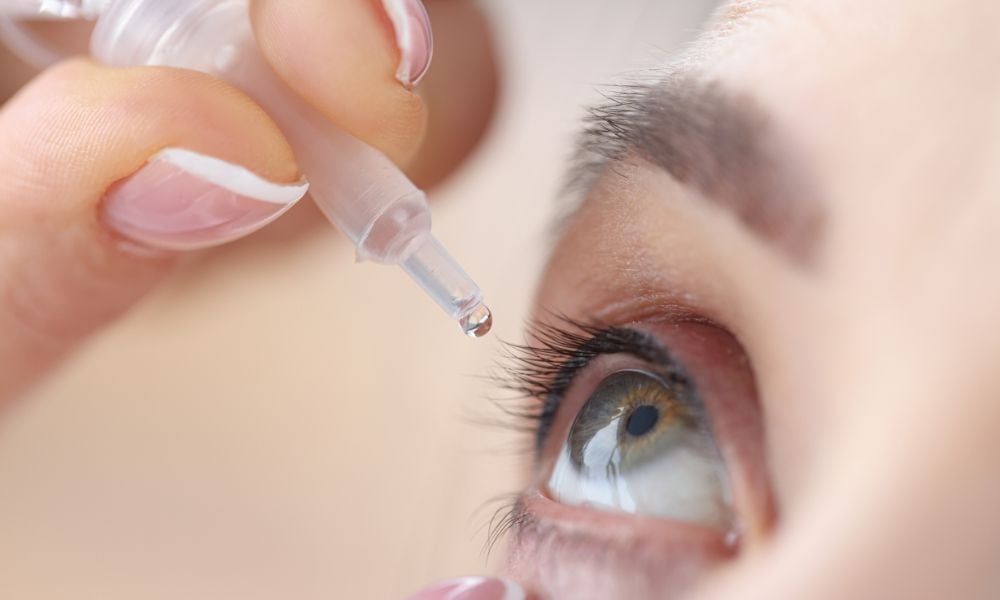
Fifty-eight percent of peri-, menopausal and post-menopausal women who experience dry eye report difficulty reading, 53 percent report difficulty using screens, 26 percent report difficulty driving, and 17 percent report reduced productivity.
Bausch + Lomb released the figures as part of a survey the company said points to an awareness gap around dry eye and its association with perimenopause and menopause.
Only 14 percent of peri-, menopausal and post-menopausal women recognize dry eye as a menopause-related symptom, according to the company, compared with 79 percent who recognize hot flashes.
Seventy-eight percent of women were surprised to learn that dry eye is a symptom of perimenopause or menopause, and among those who experience the symptom during perimenopause, menopause or post-menopause, 80 percent said it came as a surprise.
Mayssa Attar, senior vice president, Consumer and Pharmaceutical Research and Development at Bausch + Lomb, said in the company's release that "dry eye symptoms can have a meaningful impact on everyday activities and quality of life, yet they are often not associated with perimenopause and menopause."
Attar added that "the survey findings highlight an opportunity to increase understanding of how eye health can be affected during these stages of life and encourage women experiencing symptoms to speak with an eye care professional."
Hormonal changes during perimenopause and menopause can affect tear production, tear quality and tear evaporation, Bausch + Lomb said, contributing to symptoms including burning, irritation, fluctuating vision and discomfort.
The survey also found broader difficulty with the transition itself.
More than 43 percent of respondents said managing their symptoms is overwhelming, and more than 40 percent said they do not know where to start in managing perimenopausal or menopausal symptoms.
Dry eye symptoms are "frequently overlooked" during perimenopause and menopause, said Neda Gioia, an optometrist and founder of Integrative Vision in Shrewsbury, New Jersey, in the release.
Gioia, who practises in the US, said early recognition helps women seek care and look at management options.