Six in 10 patients across 301 Italian diabetes clinics stopped taking the drugs before their last visit
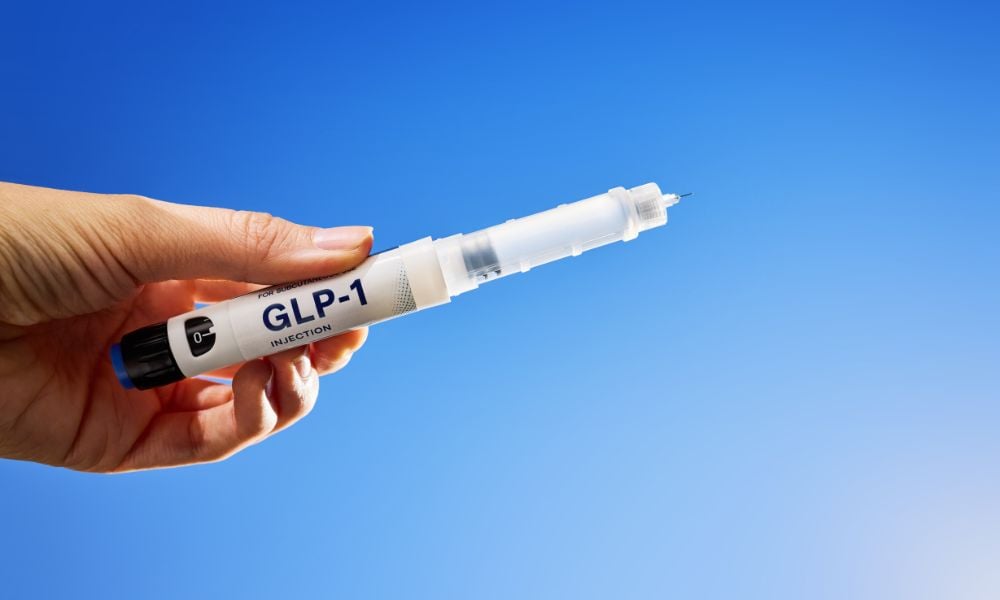
Of 80,302 people with type 2 diabetes who started a GLP-1 receptor agonist across 301 Italian diabetes clinics, 48,615, or 60.5 percent, had stopped taking it by their last recorded visit.
A retrospective cohort study published in The Lancet Regional Health – Europe found a mean drug exposure of 2.97 years among those still on therapy and 1.21 years among those who stopped.
After propensity score matching produced two balanced groups of 28,713 people each, the group that discontinued recorded 3.94 events per 100 person-years on a composite endpoint of nonfatal myocardial infarction, nonfatal stroke or death from any cause, against 1.96 among persistent users.
The incidence rate ratio was 2.01 (95 percent CI 1.77 to 2.28) and the hazard ratio 2.03 (95 percent CI 1.92 to 2.14).
For death from any cause the study recorded 788 deaths among persistent users and 1,242 among those who discontinued, an incidence rate ratio of 4.67 (95 percent CI 4.11 to 5.30).
Stratified by obesity status, the hazard ratio for the primary endpoint was 1.61 (95 percent CI 1.47 to 1.78) in people with a BMI below 30 and 2.27 (95 percent CI 2.12 to 2.43) in those at 30 or above.
The study was led by Antonio Ceriello of IRCCS MultiMedica in Milan and Antonio Nicolucci of CORESEARCH in Pescara, drawing on the database of the Associazione Medici Diabetologi.
Published discontinuation rates for GLP-1 receptor agonists run from 37 to 81 percent, with 20 to 50 percent of people interrupting within the first year, mostly because of gastrointestinal side effects, costs or inconvenience, the study says, citing earlier research.
“The biggest reason why people stop these medications are the gastrointestinal side effects,” cardiologist and epidemiologist Christopher Labos told CTVNews.ca.
Labos said shortages affecting access have largely eased and cost has become less of a barrier in Canada.
Gradually increasing the dosage over several weeks, rather than starting high, can make side effects more manageable, he told the outlet.
The authors call for more flexible dose-escalation regimens to achieve tolerability and avoid discontinuation, and point to UK guidance on support after stopping weight-management medicines while noting no evidence that added lifestyle support slows weight regain.
“I don’t think it’s that stopping these drugs is causing the heart attacks. I think it’s that continuing these drugs lowers it,” Labos said, cautioning that the observational design cannot establish causation.
The authors write that discontinuation may be a marker of higher underlying risk rather than a direct cause, and that the findings are hypothesis generating.
The association with all-cause mortality exceeds the cardiovascular benefit seen in randomized GLP-1 trials, which they say is unlikely to be explained by drug withdrawal alone.
Limitations include no data on why patients stopped, no socioeconomic data, no cause-specific mortality, and incomplete heart failure hospitalization records. Findings do not extend to tirzepatide or to people prescribed the drugs for obesity without type 2 diabetes.