Retirement coaches report clients cutting back daily routines as Medicare leaves routine eye exams largely uncovered
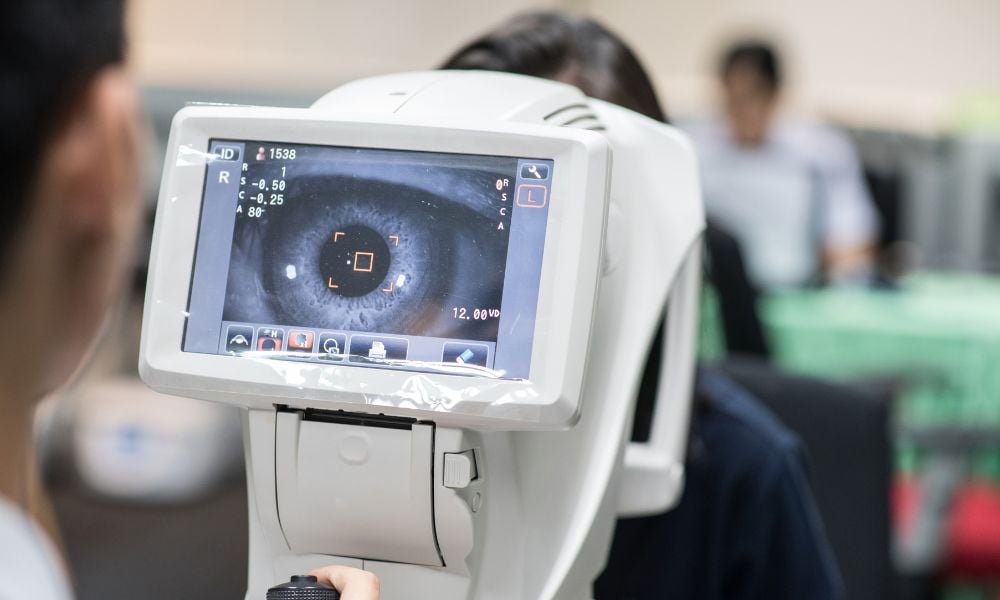
Ninety-six percent of 115 professional retirement coaches surveyed said poor vision can significantly threaten clients' independence and quality of life, and 61 percent have directly seen clients scale back social activities or daily routines because of vision concerns.
The findings underscore the importance of helping retirees anticipate routine vision care needs as part of a broader retirement-readiness conversation.
Robert Laura, a retirement expert and founder of the Retirement Coaches Association, said in the announcement that vision shapes a client's ability to stay connected to people, routines and activities in retirement.
He said the research supports including routine vision care alongside financial planning and health care costs in retirement-readiness discussions.
Original Medicare generally does not cover routine eye exams or the cost of eyeglasses or contact lenses, while coverage through Medicare Advantage and other plans varies.
Those gaps can leave retirees responsible for routine vision care expenses they may not have anticipated.
A routine eye exam costs approximately US$214 out of pocket on average in the United States for those without vision insurance, based on VSP book-of-business paid claims data for August to January of each prior year, with pricing varying by state.
Many US patients delay eye care despite experiencing poor eyesight or eye health concerns, with cost concerns and competing priorities among the barriers, according to a survey reported by Optometry Times in July 2025.
Where routine vision care expenses and coverage needs are not anticipated, the release said, retirees may face a choice between paying out of pocket for routine eye exams, eyewear and related care, or postponing or skipping care altogether.
Medicare Open Enrollment in the United States offers retirees an opportunity to review their health care benefits and consider whether their current coverage addresses routine vision care needs, which pointed to supplemental coverage such as VSP Individual Vision Plans as one option for retirees looking to address those gaps.
John Keys, vice president and general manager of Direct to Consumer at VSP Vision Care, said retirees need flexible, affordable options for vision care.
The Retirement Coaches Association released the findings on September 16, from research conducted in partnership with VSP Individual Vision Plans.