Direct-to-consumer, reimbursement and coaching models carry different costs for plan sponsors
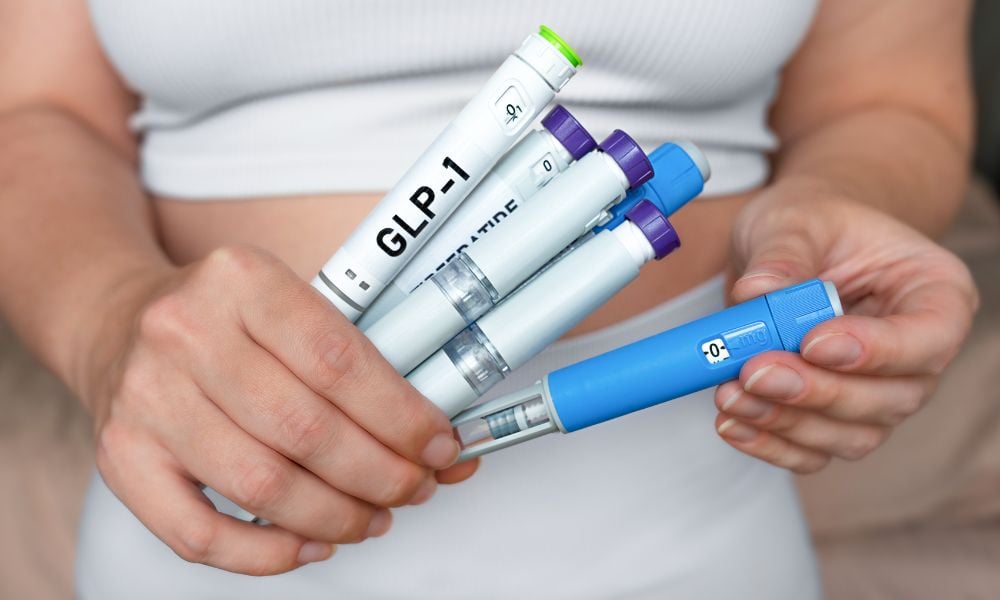
Fewer large US employers are covering GLP-1 weight-loss drugs, and plan sponsors are shifting to cheaper alternatives as 2027 open enrollment begins.
A WTW survey of 471 employers with more than 100 workers found 53% cover the drugs for weight loss. That is down from 57% in 2025 and is the first decline in three years, CNBC reported. Another 16% cover them now but are weighing removal, up from 9% last year.
Cost pressure builds
Not every employer is retreating. Bank of America CEO Brian Moynihan told CNBC in August the bank spends “about $250 million or more” on GLP-1 drugs yearly. He called coverage “a good investment.”
Others see the costs differently. Marsh’s preliminary survey of more than 1,800 employers projects total health benefit costs per employee will rise 8.2% in 2027, the highest since 2003. Marsh actuaries estimate GLP-1 use accounts for a full percentage point of that growth. The survey also found 59% of employers plan cost-cutting changes, such as higher deductibles.
“Employers are really balancing empathy with economics,” said Caroline Susie, principal in Marsh’s total health management practice.
Results vary by sample. A Business Group on Health survey of 127 employers found 14% have dropped coverage or plan to in 2027, Reuters reported. Coverage fell to 60% from 72%. A June WTW pulse poll of 294 clients found 66% covering, with most planning to continue.
What employers are offering instead
Several routes plan sponsors are taking are as follows, according to CNBC:
- Direct-to-consumer: Employers point workers to Novo Nordisk’s NovoCare or Eli Lilly’s LillyDirect. WTW found 8% have done so and 28% are planning or considering it. Gallagher’s Seth Friedman estimates 20% to 30% of the firm’s clients dropped coverage for 2027 and now send employees this way. CNBC listed starting self-pay prices of $149 a month for the Wegovy pill, $199 for the shot and $299 for Zepbound. Novo says promotional pricing may change in 2027.
- Direct-to-employer reimbursement: Employers drop formulary coverage but reimburse part of out-of-pocket costs through vendors such as Vida Health, Noom and GoodRx.
- Weight-management programs: Susie put costs at $65 to $100 per employee per month, or $150 or more with prescribing. Omada Health says 63% of members evaluated 12 months after stopping a GLP-1 maintained or continued to lose weight. Those figures are vendor-reported.
- FSAs and HSAs: GLP-1s qualify for reimbursement when prescribed for a diagnosed condition such as obesity. IRS Revenue Procedure 2026-24 sets 2027 HSA limits at $4,500 self-only and $9,000 family, up from $4,400 and $8,750. CNBC said 2027 FSA limits had not yet been announced.
“Many people will choose to pay for this on their own even if it’s not covered by the plan,” said Jeff Levin-Scherz, WTW’s population health leader.
“Employers need to educate employees about the benefits that do exist,” said Andrew Stocker, president of employee benefits at Voya Financial.
For sponsors and advisers, the figures offer benchmarks for 2027 renewals, where vendor fees must be weighed against direct reimbursement.