
Middle East developments, elevated inflation are key reasons
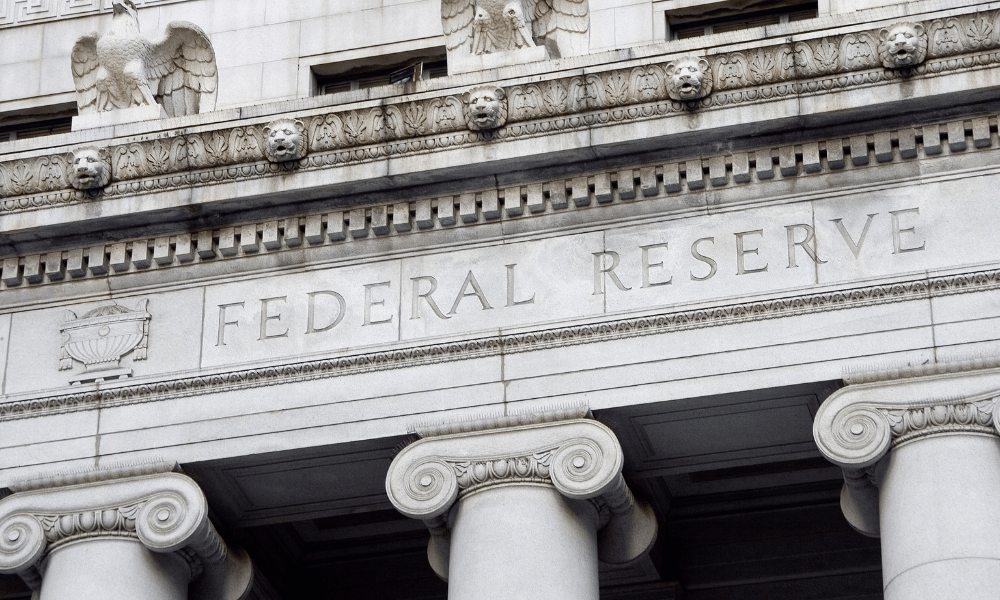
After much anticipation, the Federal Reserve has held interest rates steady at 3.5 per cent to 3.75 per cent.
According to the central bank’s official release, the ongoing US-Israel war and risks to inflation were among the key reasons for the hold.
“Inflation is elevated, in part reflecting the recent increase in global energy prices… Developments in the Middle East are contributing to a high level of uncertainty about the economic outlook. The Committee is attentive to the risks to both sides of its dual mandate,” the central bank said in a statement.
The move marks a third consecutive pause this year, as policymakers navigate a challenging economic landscape shaped by the ongoing US-Israel war against Iran and lingering uncertainty over tariffs. The conflict has driven US crude oil prices up nearly 70 per cent this year, according to NBC News, pushing the Consumer Price Index to a 3.3 per cent annual rate in March — well above the Fed's 2 per cent target, as reported by CBS News.
"The FOMC is likely to reiterate its wait-and-see message… because the war with Iran continues to cloud the economic outlook and to present risks to both inflation and activity," Goldman Sachs economists wrote in an April 26 research note, as cited by CBS News.
KPMG chief economist Diane Swonk echoed that sentiment, writing on X (formerly Twitter) that "the war, continued uncertainty about tariffs & how innovations in AI could impact the economy" are all muddying the waters for the Fed, per NBC News.
“In considering the extent and timing of additional adjustments to the target range for the federal funds rate, the Committee will carefully assess incoming data, the evolving outlook, and the balance of risks. The Committee is strongly committed to supporting maximum employment and returning inflation to its 2 percent objective,” the central bank added.
Powell’s future
Notably, all eyes now turn to Powell's successor as the Senate Banking Committee advanced Kevin Warsh's nomination along party lines Wednesday morning, according to CNBC, teeing up a full Senate confirmation vote.
His path was cleared after US Attorney Jeanine Pirro announced Friday that her office would close a criminal probe into the Fed's headquarters renovation, a politically charged investigation Powell had called motivated by President Trump's pressure on him to cut rates, CBS News reported. EY-Parthenon chief economist Gregory Daco expects Warsh to be confirmed in time for the June FOMC meeting.
However, a CNBC Fed Survey found that only 50 per cent of respondents believe Warsh will conduct monetary policy independently - a notable level of concern as the central bank prepares for its leadership transition.
Whether Powell will stay on as a Fed governor past his May 15 departure as chair remains an open question, one that economists at UBS say hinges on the true finality of the investigation.
If Powell doesn’t resign until August, he would stay on for two more meetings, the one in June and another in late July. Powell’s term as a Governor lasts until 2028, CNBC reported.


