Employer uptake of GLP-1 drugs for weight loss has more than doubled since 2024, raising new cost questions for plan sponsors
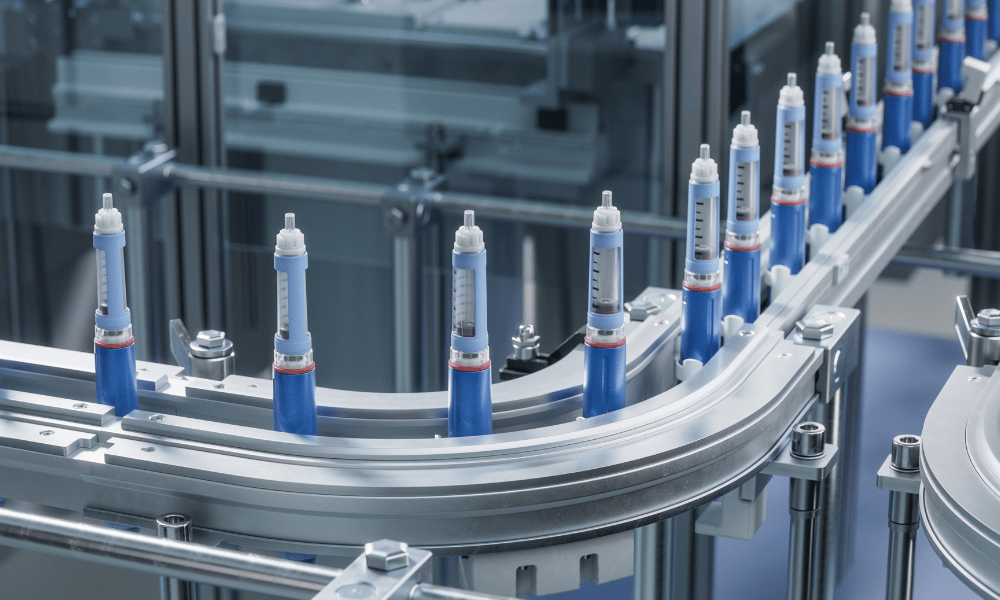
Employer coverage of GLP-1 drugs for weight loss has more than doubled since 2024, even as specialty drug costs keep rising in private plans. The findings come from the Patented Medicine Prices Review Board’s (PMPRB) 10th annual Meds Entry Watch report, published October 14, 2026.
Globally, the diabetes medicine tirzepatide accounted for 47% of fourth-quarter 2024 sales among new medicines approved internationally between 2021 and 2024, according to the report. That made it the internationally highest-selling new medicine approved in the period.
In Canada, the respiratory syncytial virus (RSV) vaccine Abrysvo was the highest-selling of the medicines newly approved between 2021 and 2024. As of Q4-2024, it accounted for 12% of new-to-Canada sales.
The report covers medicines approved by the US Food and Drug Administration (FDA), the European Medicines Agency (EMA), and/or Health Canada between 2021 and 2025, using data as of Q4-2024.
Canada continues to approve more new medicines than the median among Organisation for Economic Co-operation and Development (OECD) countries.
Medicines with sales in Canada made up 77% of total OECD sales of new medicines in Q4-2024. According to the PMPRB, this indicates Canada “continues to approve and sell the highest-selling medicines approved internationally.”
Different launch calendars
Health Canada approved Mounjaro, the diabetes brand of tirzepatide, on November 24, 2022, for adults with type 2 diabetes.
Eli Lilly Canada announced that Mounjaro was available to Canadian patients in November 2023, about a year after approval.
Zepbound, the weight management version of tirzepatide, became available in Canada in July 2025. That was after the period covered by the PMPRB’s sales data.
In the US, the FDA approved Zepbound for chronic weight management in November 2023.
Health Canada has since approved Zepbound for obstructive sleep apnea in adults with obesity, with authorization granted on June 11, 2026. It is the first and only GLP-1 medication in Canada approved for this use.
In a 2026 drug pipeline report, Alberta Blue Cross estimated that weekly maintenance doses of 10 to 15 mg for sleep apnea would cost about $6,800 to $9,800 a year.
Eli Lilly reported second-quarter 2026 revenue of USD23.0 billion, up 48% from a year earlier, driven mainly by Mounjaro and Zepbound volume.
Worldwide Mounjaro revenue rose 91% to USD9.9 billion, while Zepbound revenue reached US$4.9 billion.
Coverage outside public pharmacare
Yukon’s pharmacare program, which began April 15, 2026, fully covers many diabetes medications, but GLP-1 drugs such as Ozempic are not included, according to insurer Equitable.
Under Equitable group plans, members newly prescribed a GLP-1 for diabetes must first try a first-line treatment to qualify for coverage.
Employer coverage of the drug class has grown. A Canadian survey by the International Foundation of Employee Benefit Plans found 37% of employers covered GLP-1 drugs for weight loss in 2026, up from 17% in 2024, while diabetes-only coverage fell to 51% from 66% in 2024.
Health Canada approved the first generic semaglutide, a version of Ozempic, on April 28, 2026. Generic drugs in Canada are typically priced 45% to 90% below their brand-name equivalents.
Before that approval, Normandin Beaudry consultants estimated generic Ozempic could cut plan sponsor costs by about 3% on average. They said the savings could be lost if members switched to newer, higher-priced drugs such as Mounjaro.
High-cost approvals at home
Between 2021 and 2025, Health Canada granted first Canadian approval to an average of 41 medicines a year. An average of 14 of those, or 34%, were expensive drugs for rare diseases.
Across the three regulators, an average of 54 new medicines received first approval each year, and more than half received an orphan designation from the FDA or the EMA.
The PMPRB said most new medicines launch with high treatment costs and that specialty medicines, including biologic, orphan, and cancer treatments, make up a growing share.
An earlier PMPRB report, CompassRx, found that drugs costing more than $10,000 a year made up over one-third of public drug plan costs while being used by only 3% of beneficiaries. The 10 highest-cost drugs were all rare disease treatments, each costing more than $300,000 a year.
In private plans, TELUS Health found that specialty drugs made up 33.9% of total eligible amounts in 2025, up from 31.2% in 2023, while being used by 2.1% of claimants.
Pricing rules and the pipeline ahead
New PMPRB Guidelines took effect January 1, 2026. Under them, the board compares a patented medicine’s Canadian list price with the highest international price among 11 comparator countries.
The PMPRB’s Meds Pipeline Monitor 2026, using data as of August 2025, found that metabolic disorder drugs made up 5% of the global pipeline but 13% of medicines in pre-registration, including eight for type 2 diabetes. Orphan medicines accounted for 24% of medicines in pre-registration.
For plan sponsors, the pipeline signals further cost pressure ahead as high-cost specialty medicines move closer to market.