46,000 back advance consent in medically assisted dying
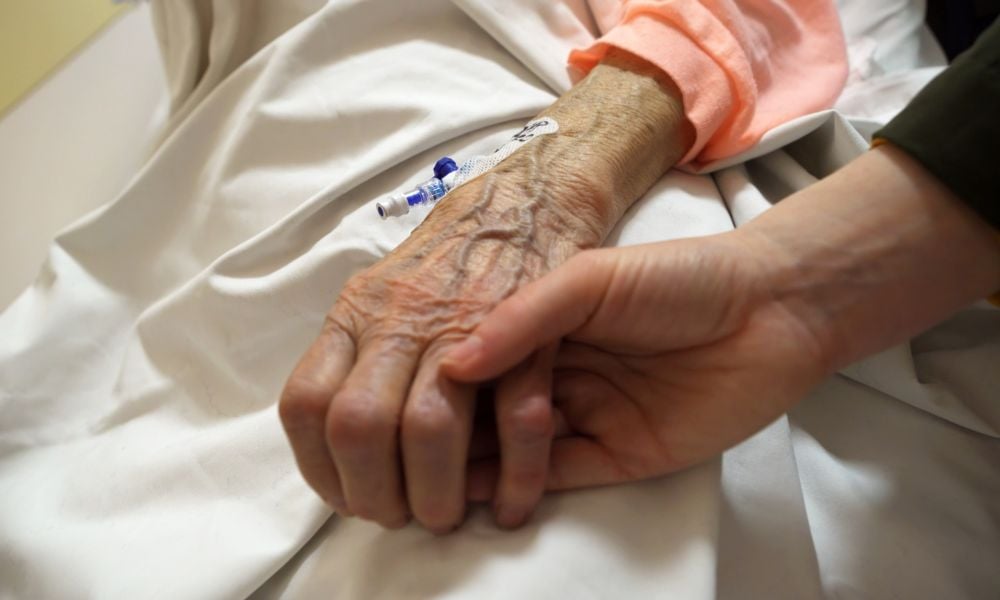
As Health Canada reports widespread support for allowing advance consent in assisted dying, health-care professionals are divided over the ethical implications of providing MAID without final confirmation from patients who lose decision-making capacity.
Under current federal law, medical assistance in dying (MAID) is permitted for individuals with serious and incurable medical conditions who experience intolerable suffering, but patients must confirm consent immediately before the procedure. The new Health Canada report indicates that many Canadians favor changing this rule to allow advance consent, especially for those diagnosed with conditions such as dementia.
The consultations were held between November 2024 and February 2025 and included more than 46,000 participants through an online questionnaire open to Canadians aged 18 and older. While the open survey was not intended to be statistically representative, Health Canada also surveyed a random sample of 1,000 Canadians and weighted the data according to Statistics Canada census information. The department said the margin of error was ±3.1%, 19 times out of 20.
Respondents generally supported advance consent, often citing the importance of individual choice in end-of-life decisions. Others expressed concern that some people might base such decisions on fear, stigma, or misunderstandings about disability. Health-care professionals participating in the consultations raised questions about whether proceeding without a patient’s final confirmation could conflict with ethical principles of autonomy and informed consent.
Participants said that any system allowing advance consent should include regular opportunities for individuals to review, amend, or cancel their directives. Some also said that expanding such an option should occur alongside improvements in palliative and home-care services.
Nearly 200 virtual roundtables were held with provincial and territorial governments, Indigenous and disability organizations, and groups both supporting and opposing MAID. Quebec currently allows advance requests under its own law, though doing so remains an offense under the federal Criminal Code.
The issue of medical ethics surrounding assisted dying has also drawn attention from religious and advocacy groups. In British Columbia, a Toronto-based nonprofit called MAiDHouse has operated private assisted-dying facilities in Toronto since 2021 and opened another in Victoria earlier this year. The organization, which Health Canada lists as one of 10 national MAID resources, has been criticized by opponents who question the morality of such institutions. Faith leaders, including Bishop Gary Gordon of the Roman Catholic Diocese of Victoria, have written that euthanasia contradicts religious teachings that value life until natural death.
According to Health Canada’s most recent annual data, British Columbia reported 2,759 MAID deaths in 2023, representing 18% of the national total of 15,343. The report said 37.8% of those deaths occurred in private residences and 32.7% in hospitals.
Health Canada said the consultation results will inform the federal government’s next steps as it considers potential legislative changes related to advance consent for assisted dying.