For younger generations, building financial security means balancing the realities of today with the possibilities of tomorrow
Young people today don’t need to be convinced that their financial futures matter. Many are already thinking about saving, housing and the choices they need to make to build financial security. The harder part is turning that awareness into action.
Open social media and within minutes you can encounter advice about budgeting, investing or buying a home, alongside someone carrying a designer bag or posting from an incredible vacation.
It creates a strange contradiction. Young people have access to more conversations about money than ever, while also being surrounded by constant signals about what financial success is supposed to look like. All of this is happening at a time when the cost of everyday life can make simply starting to save feel difficult.
I recently had the opportunity to discuss this on OMERS The Pension Blueprint podcast with personal finance experts Rob Carrick and Shannon Lee Simmons. Our conversation reinforced something important: the challenge isn’t necessarily convincing younger people that saving matters. It’s helping them believe meaningful progress is possible.
When everyone else seems to be doing better
During our conversation, Shannon used a term that stayed with me: “financial dysmorphia.” When we’re repeatedly exposed to expensive trips, purchases and lifestyles that appear effortless, it can reshape our understanding of what’s normal.
The problem is that we’re comparing our complete financial picture with small, curated glimpses of someone else’s life.
The same platforms shaping those expectations are also increasingly places where young people learn about money. That creates enormous potential, but it also makes knowing which voices to trust an important part of financial literacy. Does someone have relevant qualifications or experience? Are they promising something that sounds too good to be true? Who is paying them to promote their advice?
Starting small is still starting
So how do we close the gap between knowing what we should do and feeling able to do it?
One of the simplest pieces of advice Rob offered was also one of the most powerful: start saving with whatever amount you can manage. It might be $10. The important part is beginning the habit.
Personal finance conversations often focus on ideal outcomes: the right savings rate, balance or milestone. Those goals have value, but they can also make the starting line feel intimidating when someone’s financial reality doesn’t match the ideal.
The first step doesn’t need to solve the entire problem. It needs to make the next step possible. For younger people balancing today’s expenses with goals that may arrive well before retirement, starting small can turn saving from something they intend to do someday into something they already do.
Retirement can’t only be a conversation about retirement
When you’re in your 20s, retirement can feel extraordinarily far away. The questions immediately in front of you may seem much more urgent: Can I afford housing? How much should I save? Where can I find advice I trust?
If we want younger people to engage with their financial futures, we have to connect long-term financial security to the pressures they’re navigating today.
A workplace retirement savings plan, including a defined benefit pension, can play an important role. By joining and contributing through work, someone can begin building future retirement income even when retirement itself feels distant. At a defined-benefit pension plan like OMERS, members and their employers both contribute, and the plan pays a pension for life. For someone in their 20s, that means long-term security gets built in the background while they deal with rent, student debt, and everything else competing for their paycheque.
This can make long-term saving part of working life rather than one more financial decision competing for attention. A pension is only one part of someone’s financial life, but it can provide an important foundation while other priorities evolve.
From awareness to action
I came away from my conversation with Rob and Shannon feeling optimistic.
Young people aren’t disengaged from their financial futures. They’re asking questions, seeking information and thinking about housing, saving, and what their lives might look like years from now. We see that interest firsthand at OMERS, where 91% of members under age 35 cite the OMERS pension plan as a key reason for staying with their employer.
Our opportunity is to help turn that awareness into action without making the task feel overwhelming. That means providing credible information, acknowledging the pressures people face today and recognizing that financial security can involve both today’s needs and the future they are gradually building.
Most importantly, people don’t need a perfect financial plan before they can begin.
The first step will look different for everyone. It might mean setting aside what you can today, or beginning to build long-term financial security through a workplace pension.
At OMERS, we see the benefit of this every day. If a generation already understands that saving matters, perhaps our job isn’t to keep telling them why.
Our job is to make taking the first step feel possible.
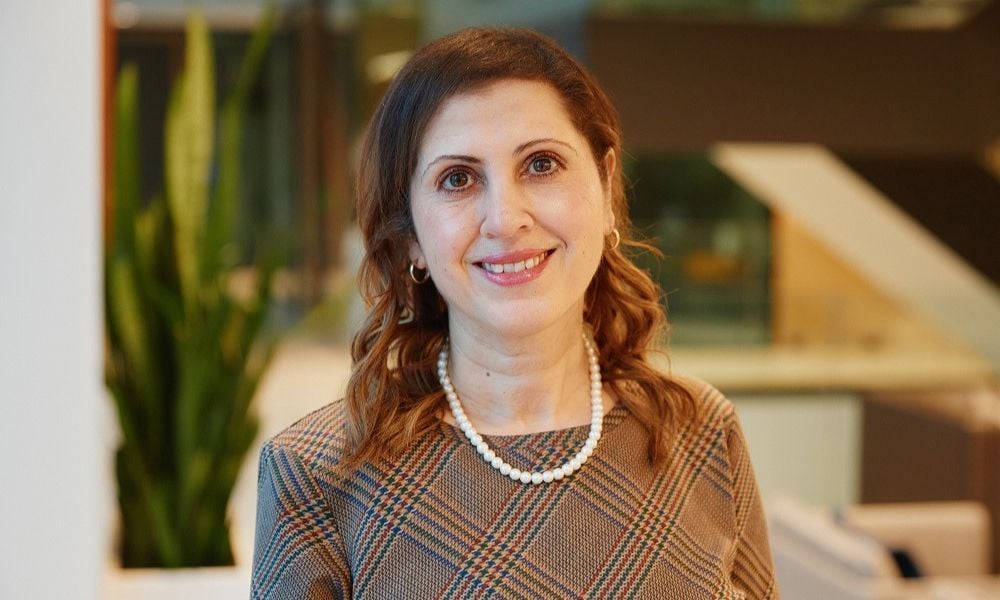
Celine Chiovitti is Chief Pension Officer at OMERS, one of Canada’s largest defined benefit pension plans, serving more than 665,000 members.