A defined benefit pension helps members feel more financially secure and less vulnerable in uncertain times, says OMERS' chief medical officer
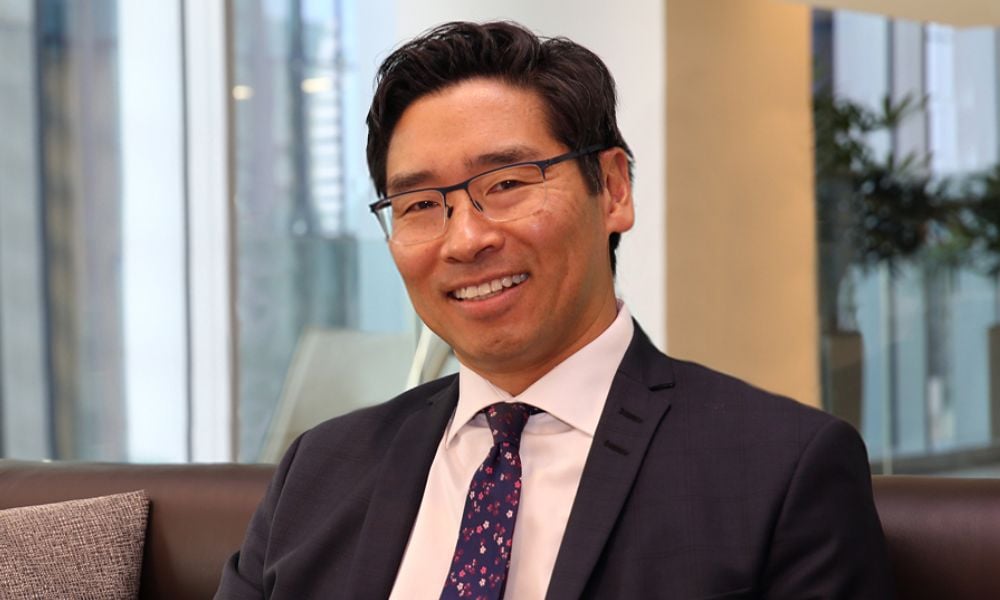
In my role as Chief Medical Officer at OMERS, one of Canada’s largest defined benefit pension plans, I have seen how social and economic conditions shape members’ wellbeing. We live in uncertain times. In less than a decade, we have experienced a pandemic, geopolitical tensions, trade wars, military conflict and the rise of artificial intelligence, alongside growing mental health challenges and chronic disease.
This uncertainty tests our resilience and ability to absorb life’s shocks. It also underscores the value of having something dependable to count on. The social drivers and determinants of health, including where people are born, grow, live, work and age, account for 80–90% of health outcomes. Access to health care, stable housing, transportation, healthy food and financial security are critical health-related social needs. A secure, predictable pension cannot eliminate uncertainty, but it can give members greater confidence in the future.
Recent research reflects the connection between financial security and wellbeing. A study conducted for OMERS by the Canadian Centre for Economic Analysis (CANCEA) found that OMERS retirees report stronger outcomes than the general population across several measures. Sixty-one per cent report positive mental health, compared with 44 per cent of the general population. They score an average of 7.9 out of 10 in life satisfaction, 52 per cent higher than the general population. Female retirees score 7.8 out of 10, compared with 4.5 among women without pensions. OMERS retirees also tend to be more socially active: 61 per cent volunteer in their communities, compared with 45 per cent of those without a pension.
These findings do not mean a pension alone determines health or happiness, but they point to a strong association between retirement security, social connection and overall wellbeing.
A defined benefit pension helps members feel more financially secure and less vulnerable in uncertain times. OMERS retirees are more than twice as likely as the general population to report meeting their income needs effectively. Among retired defined benefit plan members, 74 per cent say they are prepared for a sudden expense of $10,000, compared with 34 per cent of the general population.
That kind of preparedness can make a big difference, and predictable retirement income helps people absorb unexpected economic and social shocks, plan with greater confidence and enjoy greater peace of mind. This is the practical value of a trusted pension promise: members know they can count on secure income for life.
Chronic financial stress can contribute to anxiety and depression, cardiovascular disease, sleep disorders and social withdrawal. It is also associated with chronic inflammation, prolonged stress responses and accelerated biological aging. Financial insecurity can encourage unhealthy behaviours that further undermine wellbeing.
Our wellbeing depends on emotional and physical health, meaning and purpose, personal strengths, social connection and financial security. These can become more vulnerable at different stages of life. Financial pressures can be acute in young adulthood, when people are getting established; in the 50s and 60s, when responsibilities often grow; and after age 75, when maintaining independence can become more difficult.
Physical health may become more vulnerable in midlife, when chronic or unexpected disease can emerge, and after age 65, as frailty and healthcare needs increase. Mental health vulnerability can persist throughout life, while loneliness and isolation can particularly affect older adults. At each stage, dependable retirement income can provide a stronger foundation for navigating change and uncertainty.
We cannot predict every challenge, but we can build greater resilience. Healthy habits, a sense of purpose, strong social connections and a solid financial foundation all help. A defined benefit pension provides security and flexibility through life and career transitions, allowing members to retire to something, not just from something. A trusted pension provides more than income in retirement. It gives members greater security, resilience and confidence throughout life, especially in an uncertain world.
Dr. James Aw has been Chief Medical Officer at OMERS since 2019, where he provides medical expertise on health and wellness for pension members, employees, portfolio companies and investments in healthcare.