New platform replaces user-supplied guesswork with prepopulated expert inputs and a structured planning journey for employees and pension plan members
Earlier this year, IG Wealth Management's 2026 retirement study found Canadians have no idea how much they need for retirement, notably leading to a lack of retirement confidence and delayed retirements. Meanwhile, the tools meant to help them are making matters worse, according to one financial wellness expert.
That’s why Toronto-based consulting firm Eckler launched Guided Outcomes, an online platform designed to walk employees and plan members through a structured financial planning process – from net worth to goal setting, budgeting and retirement planning.
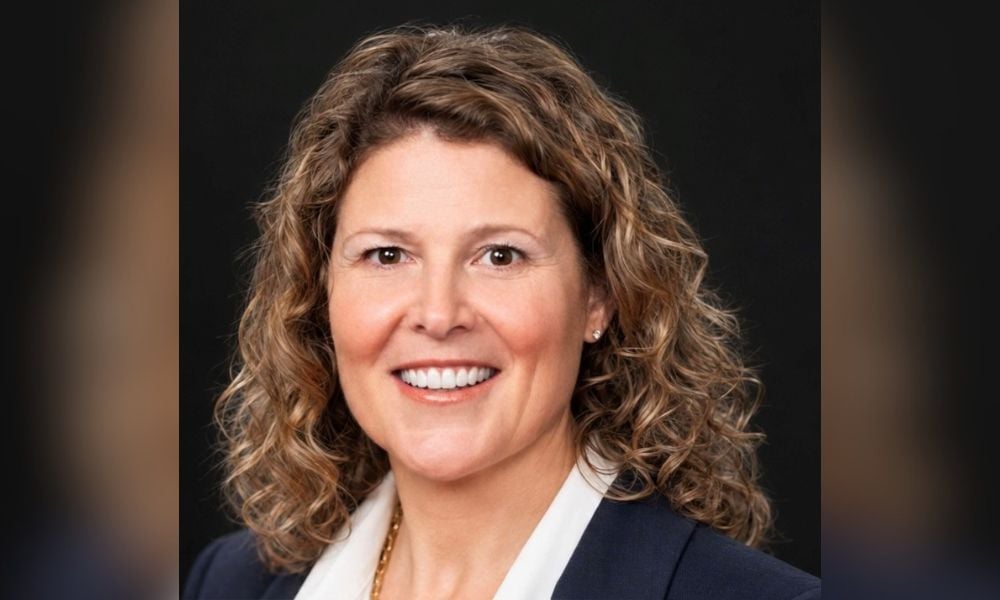
"We've combined it together so that people can look at their money holistically and have that more complete picture, which is really important," said Janice Holman, principal at Eckler.
Rather than expecting employees to know where to begin, the platform guides them step by step, with learning resources built directly into the experience and more accurate assumptions prepopulated using Eckler's actuarial expertise.
Prepopulated data replaces guesswork
There are two ways to use Guided Outcomes, explained Holman. Members can enter all their own personal and plan information, or plan sponsors and pension plan administrators can feed retirement plan data directly into the platform, so it is already there when the member logs in.
At each stage of the planning process, the system prepopulates data where possible and prompts members with encouraging nudges to keep them moving forward.
"By making it guided and by prepopulating information wherever we can throughout the process, it really makes it simple for them to follow through and use the platform," she said.
Eckler's century of retirement advisory experience feeds directly into the platform. Rate of return expectations, inflation assumptions, tax calculations, and longevity data are all prepopulated rather than left to the member, which Holman suggests produces a far more accurate and realistic picture.
Why most planning tools fall short
Holman sees a fundamental problem with the financial planning software that’s currently available to employees. Most existing tools, she argues, require users to enter too many variables and assumptions. Most employees just don’t have the knowledge to set them correctly.
"We saw a big gap in the marketplace. There was no comprehensive financial planning software provided by an independent party who was not selling financial products or data. Especially one that is built for the regular Canadian to use but is powered by sophisticated modelling," Holman said.
Holman believes the deeper flaw in most retirement planning software is that it asks the member to determine how much income they will need in retirement, a question that even experts struggle with. She points to Nobel laureate William Sharpe as an example, who famously called creating a retirement income drawdown plan "the nastiest hardest problem in finance."
"And yet most tools ask the average Canadian to figure it out, which is impossible. If the goal is wrong, anything that comes out of that projection software is wrong," she said. "That was really key for us, to ensure that we were setting an appropriate retirement goal for the users of the platform."
A better measure of retirement readiness
According to Holman, Guided Outcomes uses the Living Standard Replacement Rate (LSRR) developed by Eckler's Resident Scholar, Dr. Bonnie-Jeanne MacDonald, who’s also a director of financial security research at the National Institute on Ageing (NIA) as its core measure of retirement readiness.
Holman noted how MacDonald's research found that the traditional 70 per cent earnings replacement target is misleading and produces inaccurate goals for most Canadians. Instead, the platform measures whether members can maintain the standard of living they had while working, delivering a simple score: 100 per cent means no change, below means a more modest retirement and above means a better one.
Holman emphasized how Guided Outcomes was built from the ground up exclusively for employees and plan members and not financial advisors. That distinction shaped everything, from the inputs it asks for to the language it uses. The tone is deliberately positive and encouraging, designed to ease the anxiety many people feel around money.
The platform also includes a library of more than 100 pieces of financial literacy content, including basic money management, budgeting, insurance, estate planning, investing, and even teaching children about finances, most of it created by Eckler.
Meanwhile, external links are limited to government or quasi-government organisations, so employees can rest assured there is no lurking sales pitch coming. Learning resources are available at the point of need - while the member is actively planning - rather than housed in a separate location.
Holman underscored the content is designed to meet members wherever they are in life and at whatever level of knowledge they bring.
How plan sponsors are using Guided Outcomes
According to Holman, most plan sponsors position Guided Outcomes as a standalone financial wellness benefit rather than bundling it with the retirement plan. Because the platform is holistic, employers tend to keep it separate and market it to staff on its own terms.
To help support busy HR professionals, Eckler provides a full marketing toolkit, from posters, screen graphics, launch emails, and videos. In her experience most sponsors dedicate a section of their intranet to the platform. To sustain engagement over time, the firm runs free webinars roughly every six weeks on different financial planning topics, showing employees how to use the platform to address specific goals or questions.
As to whether plan sponsors would be better off simply hiring a certified financial planner (CFP) to come into the workplace, Holman acknowledges the appeal but believes the economics don’t exactly hold up.
"If everyone had access to a CFP, that would be great. One-on-one individual guidance or advice is very effective, but it is also very expensive and time-consuming," she said. "This is a great way to provide financial planning at scale for larger populations."
Additionally, Holman noted that not every member needs a full advisor-built plan as many are comfortable working through a self-service platform on their own. She also acknowledged how employees and plan members’ financial picture changes day to day. Having access to a plan that people can regularly change and update is key to making it helpful and effective, she said.
"Over the course of my career, I have watched Canadians’ financial lives become increasingly complex, with more products, choices and competing demands on their money. That complexity creates a clear need for a financial planning tool that is easy to use without sacrificing accuracy - one that helps people understand their complete financial picture, make informed decisions and build confidence at any age."