Do plan sponsors need guardrails as generic Ozempic arrives?
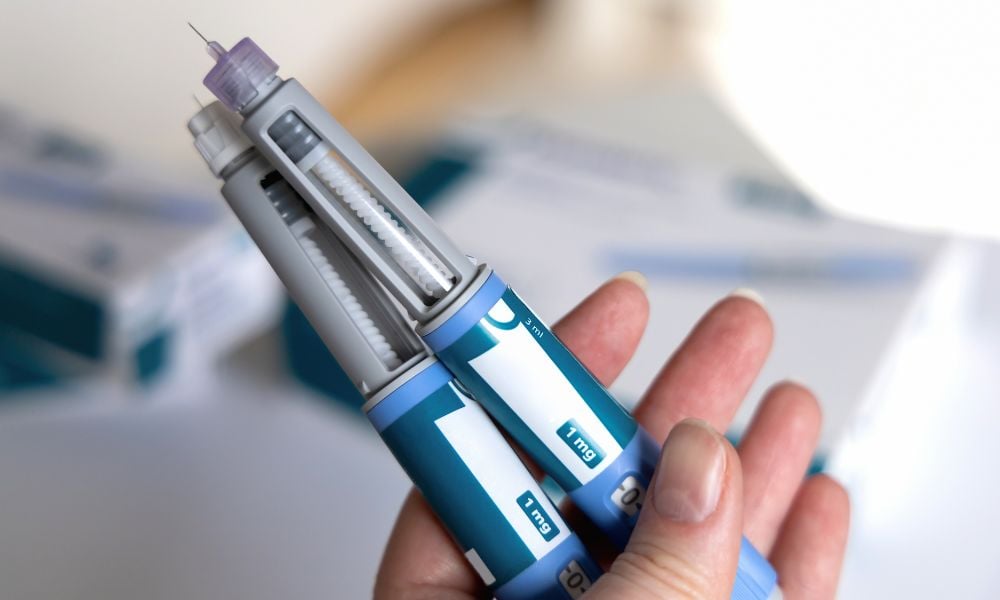
Health Canada's recent approval of two generic versions of Ozempic has opened the door to what could be a significant shift and long-awaited strategy in how employer-sponsored drug plans manage GLP-1 costs.
Brooke Ebert, national director of clinical pharmacy and product at HUB International, says the approvals of generic competitors will force process down. Two generics have already been approved, with roughly seven more in the pipeline, and under Canada's Pan-Canadian Pharmaceutical Alliance model, the first generic typically lands at 75 to 85 per cent of the brand price.
Add more generics into the mix and that figure can drop to around 50 per cent - a significant cut when brand-name Ozempic sits at about $450 per month, noted Ebert.
“This really means price competition is now inevitable,” said Ebert. “Beyond the affordability piece, I feel like this signals greater supply stability. GLP-1s took a hit in the years with shortages where we had to bring in the compounding pharmacies so having the generic Ozempic or Semaglutide facing some of those patent protections that were keeping the generics out is really kind of a breakthrough, I think, now allowing multiple additional submissions and reducing dependence on just one single manufacturer. For me, it’s really going to help strengthen the supply resilience.”
Additionally, Canada is the first G7 country to approve a generic GLP-1, and Ebert believes that carries geopolitical weight. Health Canada's 180-day review target for generics is faster than many international regulators, which could pressure other major economies to speed up their own approval processes.
"Canada can really set a pricing and regulatory precedent that pressures some of the other major economies to follow suit," she added.
As for when plan sponsors can expect to start to see some savings from generic semaglutide, Ebert suggests mid-2026 with reductions of 30 to 50 per cent looking like a realistic near-term expectation. If more generics win approval and reach the market quickly, she suggests those savings could climb much higher, potentially to about 75 per cent. While the pace of approvals and manufacturers’ ability to scale supply will determine how fast those savings arrive, more competition should keep pushing costs, she noted.
Still, the main factor shaping whether employers cover GLP-1 drugs is still cost, Ebert noted, emphasizing plan sponsors generally recognize the clinical value of these medications and their potential to help manage related health conditions, but the expense has been too high for most plans to absorb on a sustained basis.
She suggests that generic entry could start to change that conversation. As lower-cost versions come to market, employers may become more willing to revisit whether obesity medications should be included in their plans. The interest is already there, she indicates, but for many sponsors the current price point has made broad coverage difficult to support across their member population.
Ebert is also careful to remind plan sponsors that semaglutide is the active ingredient in both Ozempic and Wegovy, but the generic approvals only cover the type-2 diabetes indication. Unlike biosimilars, a generic semaglutide prescription can be substituted at the pharmacy without prior approval, which makes access easier and increases utilization but also opens the door to off-label use for weight loss, she noted.
“When a prescription is brought into the pharmacy, it does have that optionality to immediately go generic without getting prior approved approval unlike some biosimilars,” she explained. “With that being said, I think a key thing that a lot of employers and plan sponsors really need to look at is how their prior authorization, if they have any on this class, is kind of set up because this could be used for some off label utilization. So making sure that you have all your guardrails in place to make sure it's only being utilized for type 2 diabetes as opposed to kind of filtering in more utilization from off label use is really going to be a key piece, is just confirming the members are using it for type 2 diabetes and not for off label.”
Now is the time for plan sponsors to act to act before generic semaglutide becomes a bigger issue in their plans, Ebert underscored. Her advice is to review how benefits are currently structured, confirm whether generics are prioritized, and understand how costs are handled when a member wants the brand even though a generic is available.
Additionally, lower-priced generics will almost certainly drive higher use, both within benefit plans and outside them. She expects some members whose plans do not cover weight-loss treatment to seek out semaglutide on a cash-pay basis for off-label use, which means employers need to tighten utilization rules before generic products gain traction.
Moreover, she emphasized plan sponsors should first look closely at what members currently have to satisfy to get Ozempic covered and whether those criteria are strong enough to manage the likely jump in demand. She also notes that uptake will not be uniform. While some physicians may be reluctant to switch patients to generics, some patients may resist changing from the brand, she noted.
That’s makes benefit design important, she said, adding employers should review whether generics are clearly preferred over brands and whether members have a financial reason to choose them. Measures like lower member cost-sharing for generics or penalties when someone insists on the brand despite a generic option being available can help steer utilization toward the cheaper product.
Employers should also communicate these developments plainly and give employees a balanced view of the pros and cons. She emphasized members need more than a headline about cheaper access as they also need to understand how different channels, including direct-to-consumer options, may work differently from employer coverage and may not count toward out-of-pocket accumulators or other plan limits.
Communication around generic Ozempic also needs to be specific, she said, adding employees should be told that the generic is approved for type 2 diabetes, not for other uses, and they should understand the risks and side effects that can come with taking the drug for a condition it is not approved to treat.
Ebert acknowledged there’s no single answer for plan sponsors trying to balance cost control with access and outcomes, particularly as employers have several levers available, and the right mix depends on the company’s culture and broader benefits philosophy.
She argues that the first step is to understand who is actually using these drugs and why. When plans have clear utilization controls in place, sponsors can separate diabetes use from weight-loss use and get a better read on what is driving spending. Without that visibility, the reporting becomes muddled, making it harder to tell whether rising costs are tied more to obesity treatment or to diabetes management.
From there, she suggests employers can use a range of tools to manage costs, including limits on how long members can access the drugs or annual caps that reduce the risk of unnecessary stockpiling.
“The biggest thing for Canada right now is that because the generics are here and coming, it's definitely the time to take a good look at how your plan is running, how you have this class set up both for diabetes and weight loss, because again, more are just going to trickle in,” said Ebert.