Paper, plastic, machinery and seaweed products will be exempt but Canada-US trade talks remain stalled
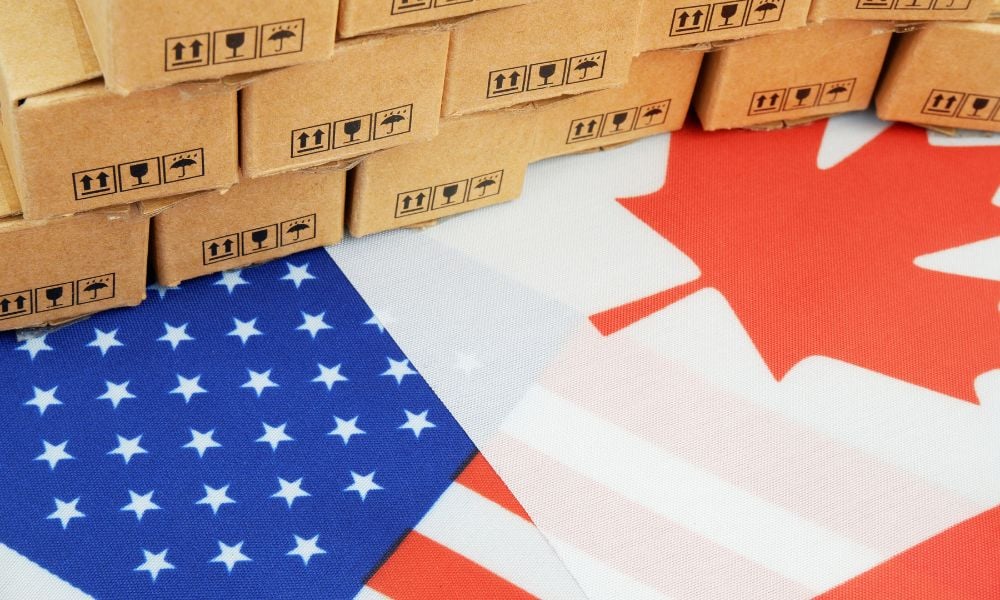
The United States is poised to remove 50 per cent tariffs on some Canadian products in a move aimed at helping Republican Sen. Susan Collins of Maine win re-election.
The Wall Street Journal, citing people familiar with the plan, said the exemptions would mainly cover goods used in agriculture and could be offset by higher levies on other Canadian goods. A proclamation could come as early as Friday, the sources said, though the scope and timing could change.
A White House official told the Journal that any tariff announcements would come directly from the administration and that preliminary reporting was speculation. The U.S. trade representative’s office declined to comment. The White House did not immediately respond to requests for comment from Bloomberg or Reuters.
Tariff exemptions cover packaging, machinery and seaweed
Collins said in a statement Friday that nine categories of products would be exempt. They include corrugated paper and boxes, some plastic packaging materials, refrigeration and freezing equipment, agricultural cleaning, sorting and grading machinery, certain packaging machinery, and seaweed and algae food products.
Collins said the changes would support Maine’s blueberry, potato, apple and seaweed industries. Her office said she pressed U.S. Trade Representative Jamieson Greer and Commerce Secretary Howard Lutnick for the exemptions. She said she would keep seeking more relief and a broader deal with Canada, which she called “our neighbor, ally, and largest trading partner.”
It would be the second change to the tariffs. President Donald Trump exempted road salt and cement from the tariffs in September after a request from Collins, but offset the move by applying 50 per cent tariffs to other Canadian products, keeping the affected total at about US$20 billion, the Journal reported. It said it is unclear which products, if any, would be newly tariffed this time.
Trade talks remain at a standstill
The 50 per cent tariffs took effect in late August on about US$20 billion in Canadian goods, roughly five per cent of Canada’s exports to the U.S., after last-minute negotiations broke down. Canada retaliated, and its counter-tariffs on American goods took effect on Sept. 8, 2026.
The Journal reported that Trump has since banned imports of certain Canadian products and threatened to double tariffs on Canadian vehicles in January if no agreement is reached. There have been no substantive talks since negotiations collapsed in August, though Trump has said Canada is working on a trade deal.
The tariffs were imposed under Section 338 of the Tariff Act of 1930, a never-before-used trade authority better known as Smoot-Hawley. A New Jersey-based food importer filed a legal challenge this week, arguing the administration has overstepped its authority, the Journal reported.
Political stakes in border states
Collins is among the most endangered Republican incumbents in the Senate, and she and Democratic challenger Troy Jackson are neck-and-neck in the polls ahead of the Nov. 3 election. Jackson has made the trade war central to his campaign. In a debate this month, he said Maine voters “can’t eat road salt.”
Republican candidates in other states that trade heavily with Canada have also criticized the tariffs. In Michigan, Republican nominee and former Rep. Mike Rogers has run ads calling on Trump to end the trade war. In New Hampshire, former Sen. John Sununu has criticized the tariffs in his race against Democrat Chris Pappas.
In Canada, nearly half of advisors are fielding tariff questions from clients, according to a Fidelity Investments Canada survey.